
To the Caregiver Who Feels Invisible: You’re Not Alone
Hello, fellow caregivers:
We have not met, but I am sure I know a few things about you. For example, there are mornings when you open your eyes and your first thought is that you cannot carry on with your routine for one more day. When will your needs come first? You envy friends who can travel and people who can enjoy entertainment at a whim. Spontaneity plays no part in your life; everything requires preparation.
I know all of this because you are a caregiver, a hero. You don’t have superpowers, but I bet you wish you did! You may not earn trophies for your work, and instead of glowing praise, you often receive insensitive and hurtful remarks. Nonetheless you continue your demanding role as a caregiver. Not everyone is up to this task.
If I can impress only one thing, let it be that the time and energy you selflessly give your loved one are life-changing, if not lifesaving. The privilege of living their fullest life in a friendly and safe environment is a blessing that your constant support provides.
Although my caregiving story is extremely long and complicated, I feel there are parallels all caregivers experience to some degree. I hope you find guidance, strength, or inspiration from it.
A Daughter’s Battle and a Mother’s Fight
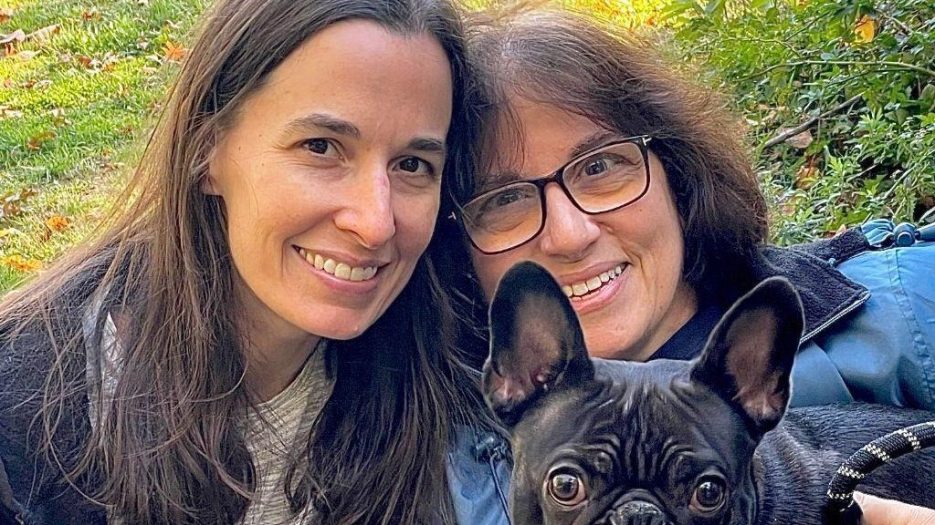
My brilliant, multi-talented, loving daughter, Nikki, began to experience unexplainable symptoms during her early school years. As a nurse and her mom, I totally believed her when she was sure something was very wrong.
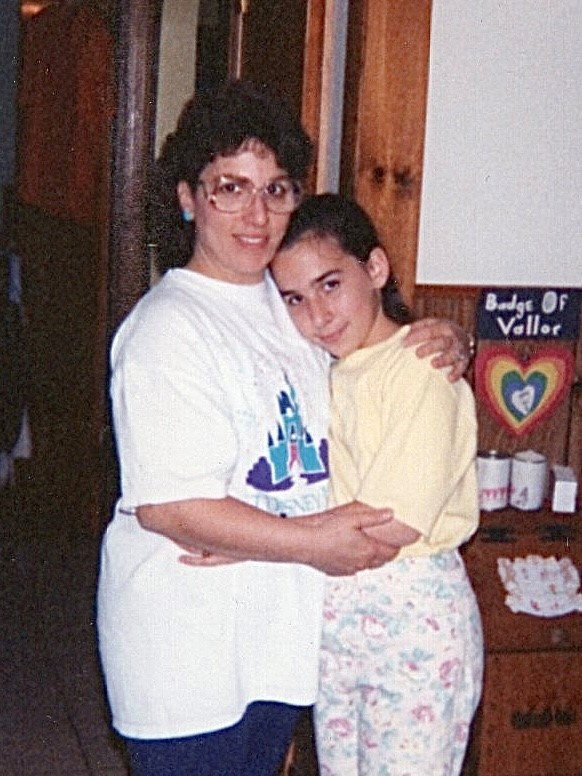
l never could have imagined it would take almost 3 decades to find the neurosurgeon who would properly diagnose her and perform two long-overdue, lifesaving surgeries. During those years, I watched every aspect of her life being stolen from her. I witnessed her progress into failure to thrive (FTT), withering away on our couch as she awaited approval for out-of-state surgery.
Because her presentation was atypical, my daughter was dismissed by doctors and teachers, and even family and friends scrutinized this wonderful young lady who “looked good.” Perplexed doctors labeled her a psychiatric case, and in turn, some thought I was causing her illness myself.
We have paid a high price physically, emotionally, and financially for this medical mismanagement and misdiagnosis. Nikki’s first surgery gave way to post-operative complications, and just days later, she spent her 18th birthday in the hospital dealing with multiple spinal fluid leaks. We had no idea of the uphill battle yet to come.
Standing Firm as an Advocate for Caregivers and Their Loved Ones
At times, I wish I could confront every person who made our journey more difficult and tell them my daughter was hanging on to life with an unprotected brainstem and dangerously high pressure in her brain. Instead, I choose to use her courage and strength as an inspiration for others. She fought to stay alive so I would not be alone. I cherish every day we share.
You have to be a mouthpiece for your loved one. You know them better than anyone else. Do not allow others to prevent you from obtaining what they need. Periodically, caregivers need to step back and reassess, but when you know you are right, you must relentlessly advocate until no further options exist.
Your Strength Deserves Support Too
Folks will say you can’t take care of someone else if you don’t take care of yourself. That may sound good, but caregivers know there are days—sometimes weeks—when our own needs are lost in the chaos. Try to find techniques you can utilize when you have any break at all. It may be practicing deep breathing for a few minutes as you look out a window or going for a walk. If you get an opportunity for “you time,” go for it!
If you have someone you can comfortably talk to, don’t be afraid to vent about your feelings and fears. It is okay to say the words helpless and hopeless. Do not feel guilty or weak. Your feelings are justified.
You choose to be a caregiver. Your daily hard work and sacrifice does not deter you from providing the best quality of life for someone whose life has been impaired by illness. And as overwhelming as this mission may be, if you are like me, you hope it goes on for a long, long time.
Wishing you strength and peace,
Jan
About the author:

Jan is a dedicated mother and primary caregiver for her daughter, Nikki. Ever since her daughter’s health issues began at 8 years old, Jan has been a fierce advocate, pushing for answers and testing that would eventually lead to Nikki’s diagnosis. Jan and Nikki joined the state’s RIte@Home Shared Living program, administered by Careforth, in Rhode Island in 2019. Read more about their caregiving journey here.
More insights like this:
-
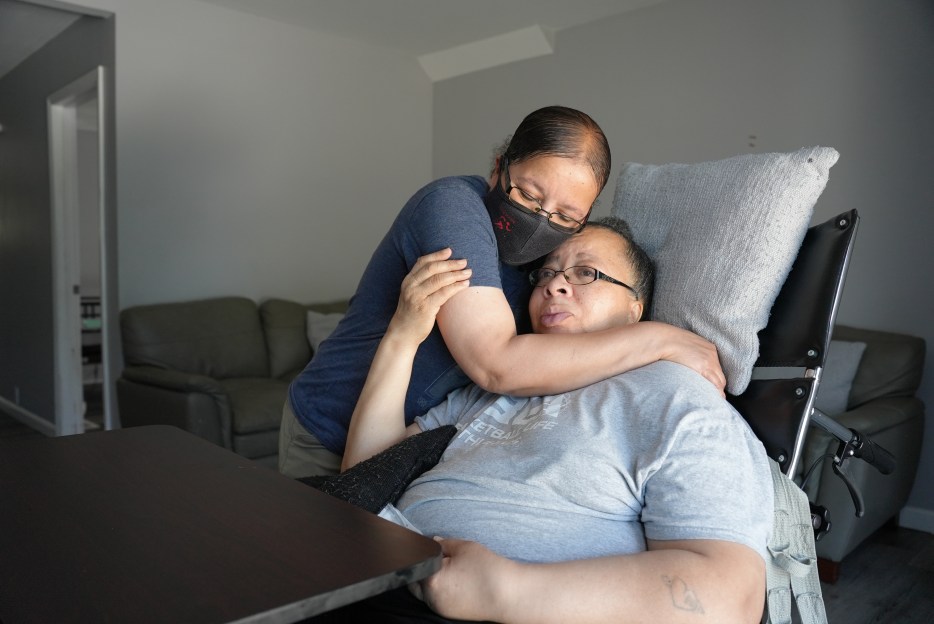
Ellie and Doreen’s Caregiving Story
Read more: Ellie and Doreen’s Caregiving StoryWe extend our heartfelt thanks to Ellie and Doreen for welcoming us into their home and being willing to share their experiences. We hope that by sharing their journey, others who find themselves in similar situations can find inspiration, support, and encouragement to build their own networks of care and connection. “I can’t…
-
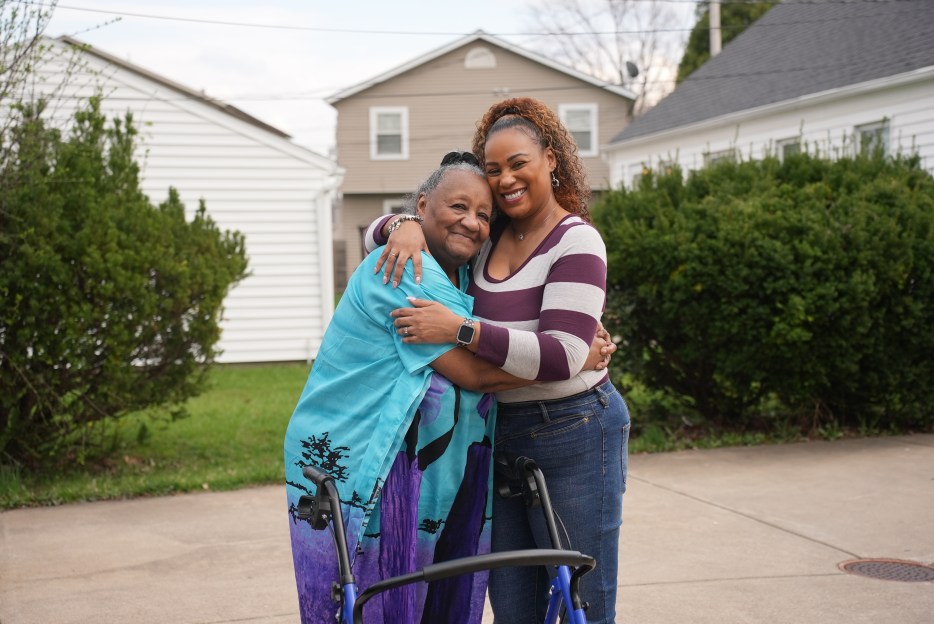
When Care Comes Full Circle: Tamika and Barbara’s Caregiving Story
Read more: When Care Comes Full Circle: Tamika and Barbara’s Caregiving StoryWe extend our heartfelt thanks to Tamika and Barbara for welcoming us into their home and being willing to share their experiences. We hope that by sharing their journey, others who find themselves in similar situations can find inspiration, support, and encouragement to build their own networks of care and connection. Family caregiving…
-
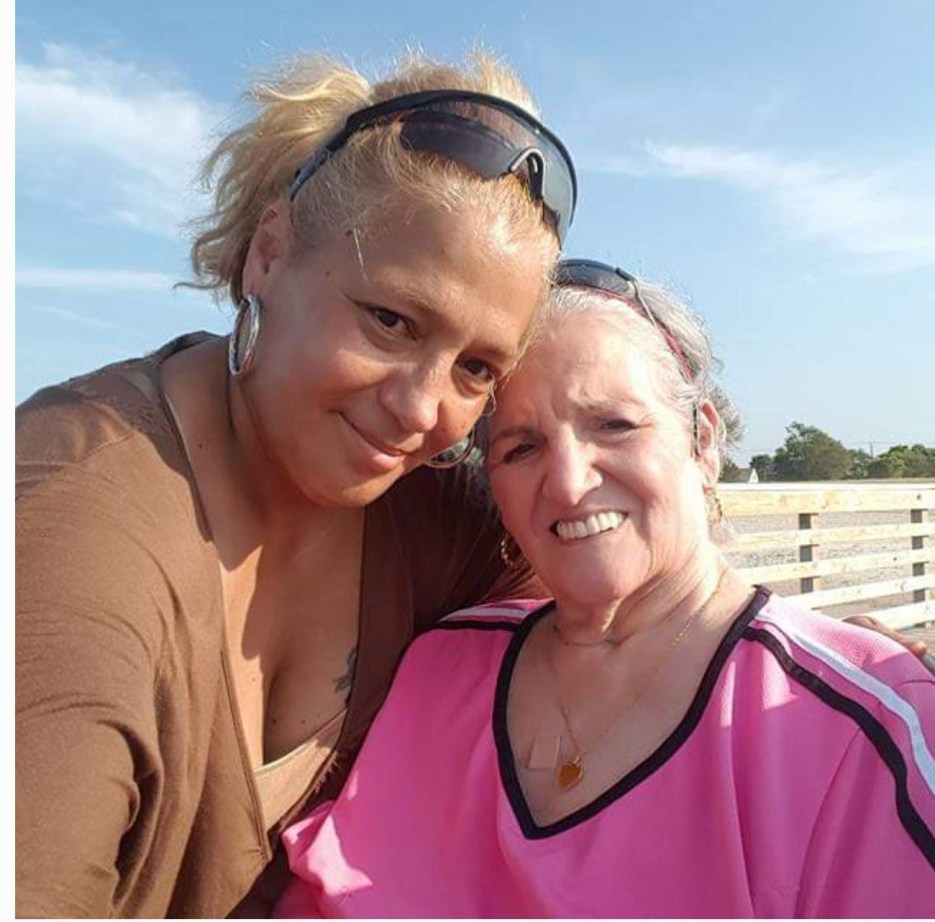
Finding Strength in Self-Care: A Letter to the Sandwich Generation
Read more: Finding Strength in Self-Care: A Letter to the Sandwich GenerationThe phrase, “Sandwich Generation” refers to adults who are simultaneously responsible for caring for their own children and their aging parents. As a former caregiver, this phrase described me best. I became a caregiver at 16 years old for my mother after her stroke and continued in that role for most of my…