
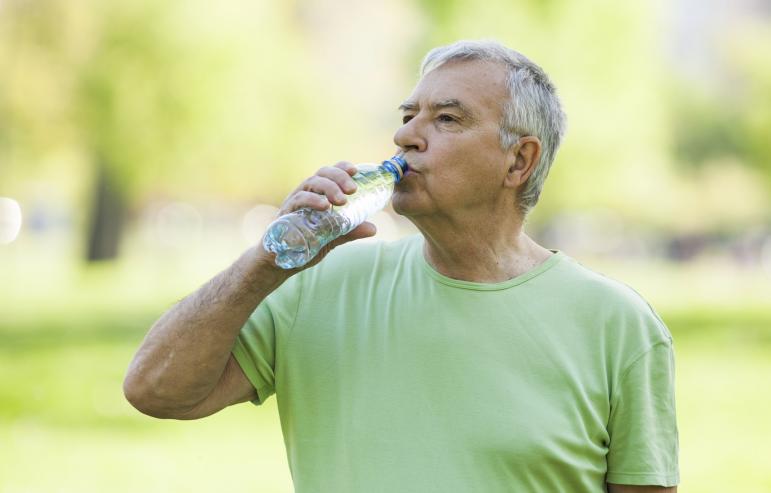
Staying Healthy and Hydrated During the Summer
Staying healthy, hydrated and cool during the hot summer months can be especially important for elders and people with disabilities. Caregivers, too, should recognize if they are experiencing issues due to excessive sun exposure or lack of hydration. If you are providing care to an individual, it is a good idea to understand what dehydration is, what the symptoms are, and ways to combat and prevent health problems during the summer.
What is dehydration?
Dehydration occurs when your body loses more fluid than it takes in. Reasons for dehydration may be as simple as not drinking enough fluids if you are ill, exercising in the heat and not replenishing with water, excessive sweating, diarrhea, fever, forgetting to drink during the day and excessive urination.
Who is at risk?
Young children, older adults, people with chronic illnesses and individuals with disabilities are at a higher risk. As we age, we really don’t know when our body is overheating. The body circulation is slowing down, and many older adults are not feeling the heat. These individuals may not recognize it is time to slow down or get out of the sun. Our body tries to compensate when it is overheating by sweating, but many older adults sweat less, so the body is not able to cool down.
What are the symptoms of dehydration?
Signs of mild to moderate dehydration:
- Dry mouth, lips or tongue
- Tiredness or sleepiness
- Thirst
- Decreased urine output
- Dry skin
- Headache
- Constipation
- Dizziness or lightheadedness
If you or someone you knows develops any of these symptoms notify your physician.
Signs of severe dehydration, which could be a medical emergency:
- Extreme thirst
- Irritability and confusion in adults
- Dry mouth and mucous membranes
- Sunken eyes
- No sweating
- Little or no urination or very dark urine color
- Shriveled dry skin
- Low blood pressure
- Muscle cramps
- Rapid heartbeat
- Rapid breathing
- Delirium or unconsciousness in serious cases
If you or anyone you know develops any of these symptoms, call 911.
Here are a few suggestions to keep cool and avoid dehydration during the summer months:
- Stay out of the sun and under the shade
- Dress appropriately
- Wear light colored and loose fitting clothes
- Avoid dark colors
- Wear a straw or a hat with a wide brim
- Drink plenty of fluids
- Drink water, juice, non-alcoholic or decaffeinated drinks
- Pay attention to the weather forecast, plan your outdoor activity
- Apply sunscreen – a sunburn can increase your body temperature
- Avoid the mid-day sun
- Stay indoors, use a fan or air conditioner
- Take a cool shower
- Pace yourself during exercise or outdoor activities
More insights like this:
-
Reducing Decision Fatigue for Caregivers
Read more: Reducing Decision Fatigue for CaregiversWhat Is Decision Fatigue in Caregiving? Spring is a busy time, and for family caregivers, it can also introduce a new wave of decisions. Schedules begin to shift. Medical appointments may increase after winter delays. Families start planning for summer travel, childcare, or changes in routine. For caregivers already balancing daily care responsibilities,…
-
Seasonal Caregiving Tips: A Caregiver’s Checklist
Read more: Seasonal Caregiving Tips: A Caregiver’s ChecklistEach season brings new changes in weather, daylight, and daily routines that can affect a loved one’s care. Shorter days may disrupt sleep or increase confusion for those sensitive to changes in light. Shifts in temperature can influence comfort and mobility. Even familiar seasonal activities, such as holiday gatherings or time spent outdoors, may require…
-

Home Safety Hazards Every Caregiver Should Know About
Read more: Home Safety Hazards Every Caregiver Should Know AboutAs adults age, their homes should feel safe, welcoming, and supportive. Yet everyday household features can quietly become risks. Falls, burns, or other preventable injuries are among the most common reasons older adults visit the emergency room. A home that once worked perfectly may now present challenges as mobility, vision, or balance change…