
Become a Caregiver in South Dakota
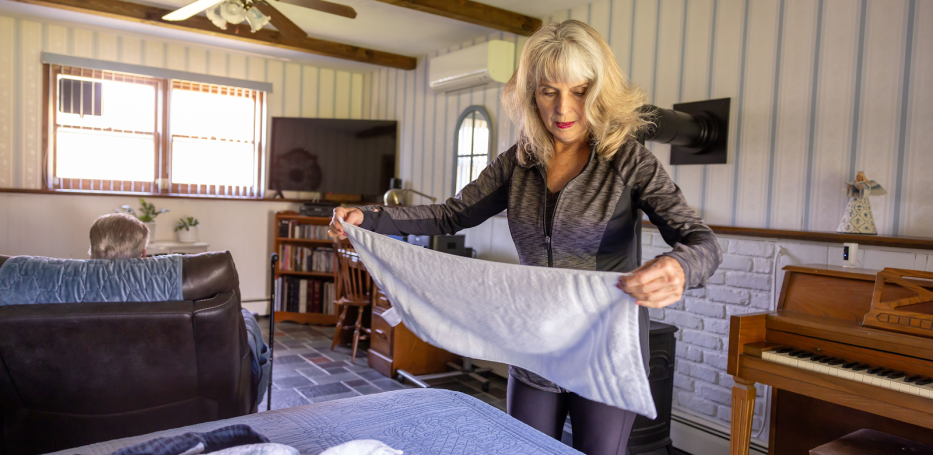
Caring for a loved one at home is an act of love, but it can also be a lot to manage. Across South Dakota, about 150,000 family caregivers provide millions of hours of support each year, helping loved ones stay safe, comfortable, and connected at home.
For many families, caregiving is already part of daily life. You may be helping an aging parent, spouse, sibling, or loved one with meals, bathing, dressing, or getting around the house. These daily acts of care can make it possible for older adults and adults with disabilities to remain in the place they know best – home.
The good news is that South Dakota offers services through Medicaid that may help support the care you already provide. Programs like Structured Family Caregiving, available through the HOPE Waiver, may offer financial support, coaching, and care planning for eligible families.
At Careforth, we help families understand their options, navigate eligibility, and find the support they need to keep caring for their loved ones at home.
How Family Members Can Become Caregivers in South Dakota
Becoming a family caregiver in South Dakota often starts with a simple realization: you are already doing the work.
You may be helping your loved one with daily needs such as:
Personal care: Bathing, dressing, and grooming
Household support: Meal preparation, laundry, and light housekeeping
Health support: Medication reminders, mobility assistance, and help getting to and from appointments
Through a South Dakota caregiver program, the support you provide may be formally recognized. This can help turn unpaid family care into a supported caregiving role.
The process usually begins with checking whether your loved one qualifies for South Dakota Medicaid long-term care services. A care needs assessment is also completed to understand how much help your loved one needs and which program may be the right fit.
Structured Family Caregiving in South Dakota
Structured Family Caregiving in South Dakota is designed to support people who need regular help at home and want to remain in a community setting. It may be a good fit if you live with the person you care for and provide ongoing daily support.
Through this program, a family member or close friend may receive a caregiver stipend to help support the care they provide. This is not just about financial help. Structured Family Caregiving also gives caregivers access to guidance and resources so they do not have to navigate caregiving alone.
Caregivers may receive:
- Care planning: A clear plan based on your loved one’s needs
- Caregiver coaching: One-on-one support to help you feel confident and empowered
- Caregiving Resources: Help you to connect with helpful tools and supplies
Because caregiving can be a 24/7 responsibility, this kind of support can make a meaningful difference for both the caregiver and the person receiving care.
The South Dakota HOPE Waiver and Home Care Support
The HOPE Waiver in South Dakota helps older adults and adults with disabilities receive care in their homes and communities instead of moving into a nursing facility.
HOPE stands for Home and Community-Based Options and Person-Centered Excellence. The program is designed for adults age 65 and older, as well as adults 18 and older with qualifying disabilities.
To qualify, your loved one must meet Medicaid requirements and meet criteria for a certain level of care. This often means they need help with daily activities such as bathing, dressing, eating, mobility, or staying safe at home.
Through the HOPE Waiver, eligible individuals may receive different types of home and community-based support. This can include personal care, homemaking help, and Structured Family Caregiving.
Eligibility Requirements for South Dakota Caregiver Programs
To qualify for a South Dakota caregiver program, both the caregiver and the person receiving care must meet certain requirements.
In general:
The caregiver must be at least 18 years old and able to provide the needed care. In many cases, like for SFC, the caregiver must live in the same home as the person receiving care and pass a background check.
The care recipient must live in South Dakota and qualify for South Dakota Medicaid long-term care services. They must also need help with daily activities, such as bathing, dressing, eating, moving safely around the home, or managing daily routines.
Eligibility can depend on your loved one’s health needs, income, assets, and the program they apply for. Because rules can change, it is important to confirm the latest requirements before applying.
How to Get Started as a Caregiver in South Dakota
Starting the process can feel overwhelming, especially when you are already caring for someone every day. But you do not have to figure it out alone.
A typical path may include:
- Checking Medicaid eligibility: Confirm whether your loved one qualifies for South Dakota Medicaid long-term care services.
- Starting the screening process: Contact Dakota at Home, South Dakota’s Aging and Disability Resource Center, to begin.
- Completing an assessment: A professional will review your loved one’s care needs and determine what level of support may be needed.
- Choosing a program: If your loved one qualifies, your family may be able to enroll in Structured Family Caregiving or another home care support option.
- Receiving support: Once enrolled, you can begin receiving guidance, care planning, and coaching as you care for your loved one.
If you are already helping a loved one at home, you may be closer to qualifying for support than you realize.
How Careforth Supports South Dakota Caregivers
At Careforth, we believe family caregivers deserve more than recognition. They deserve real support.
Our South Dakota caregiving program is designed to help caregivers feel more confident and less alone. We provide coaching, care planning, emotional support, and guidance through the enrollment process. For eligible families, caregivers may also receive a stipend for the care they provide.
We help with the details so you can focus on what matters most: caring for your loved one and helping them remain safe, supported, and at home.
Ready to see if you qualify? Careforth can help you take the next step.
More insights like this:
-
Home Care Agency, Independent Caregiver, or Structured Family Caregiving: Understanding Your Options
Read more: Home Care Agency, Independent Caregiver, or Structured Family Caregiving: Understanding Your OptionsWhen someone you love needs more help at home, deciding what kind of care to arrange can feel overwhelming. You may be wondering whether to call a home care agency, hire a caregiver directly, or continue care with help from a family member or friend. There is no one-size-fits-all answer. The right fit…
-

Become a Caregiver in Georgia
Read more: Become a Caregiver in GeorgiaCaring for a loved one is an act of love and kindness. It is also a big commitment of your time and energy. In Georgia, there are services with financial support for family caregivers providing full-time care. Getting paid to care for a family member at home helps your family stay financially stable.…
-
Become a Caregiver in Rhode Island
Read more: Become a Caregiver in Rhode IslandAcross Rhode Island, more than 150,000 family caregivers provide support for loved ones each year, according to AARP. And as more care shifts into the home, that role is becoming even more important. Caregiving is already part of everyday life for many Rhode Island families. You may be helping an aging parent, sibling,…