
National Disability Independence Day: Independence Looks Different for Everyone
July 26 is National Disability Independence Day. It marks the anniversary of the Americans with Disabilities Act, a law that made one idea official: people with disabilities have the right to live, work, and take part in their communities without discrimination.
But independence isn’t one big thing. It’s a lot of small choices made every day.
What Independence Looks Like
Independence can mean waking up in your own home, in your own room. It can mean deciding what to eat for breakfast, or when to eat it. It can mean setting your own schedule instead of following someone else’s. It can mean going to work or looking for a job. Seeing friends. Choosing who helps you get dressed in the morning, and how.
None of that requires a building or a program. It requires support that fits around a person’s life, instead of the other way around.
The Skill Behind Family Caregiving
For a lot of people living with disabilities, that kind of independence is often possible because of a caregiver, sometimes a family member, who has learned real, specific skills. Managing medications correctly. Noticing a change in behavior and knowing what it means. Speaking up clearly at a doctor’s appointment. Planning a day around what matters to the person they support, not just what’s easiest.
This isn’t just caring as expected. It takes training, particularly if supporting a loved one who needs physical assistance. It takes judgment, especially if supporting someone who is nonverbal. It is hard work and the people who provide it must be recognized.
Why We Built Our Program the Way We Did
Structured Family Caregiving exists because that work shouldn’t run on goodwill alone. When a family caregiver is trained, supported, and paid for what they do, the person they support gets more consistent care and more say in their own life, not less.
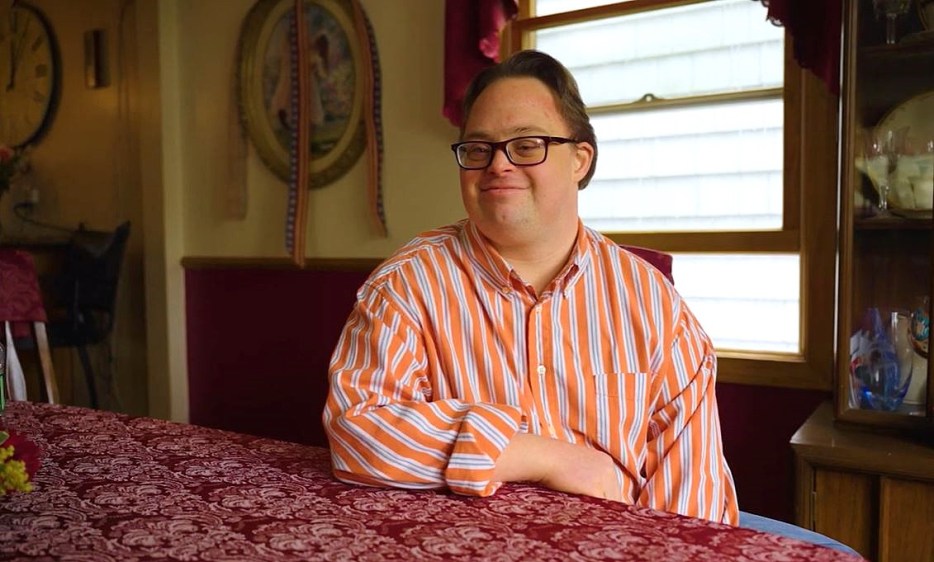
Dan is a good example of what that looks like in practice. He lives with his uncle, aunt, and cousin, who have been his caregivers for years. He works a part-time job at a pizza restaurant and looks forward to his Sunday shifts. He sings the national anthem before local events.
None of that happened on its own. When Dan needed a sleep apnea machine and the process stalled, his Careforth care team coordinated directly with the manufacturer until it was resolved. Every six months, Dan sits down with his team to update his goals. The support runs in the background, so Dan’s life can be front and center.
Read Dan’s full story: Caring for “Dangerous” Dan with Down Syndrome
What National Disability Independence Day Means
National Disability Independence Day isn’t really about a law passed in 1990. It’s about how that law’s promise shows up on an actual Tuesday morning, in an actual kitchen, for an actual person. The family caregivers we support do that work every day, and it’s worth being celebrated.
Frequently Asked Questions
About the Author
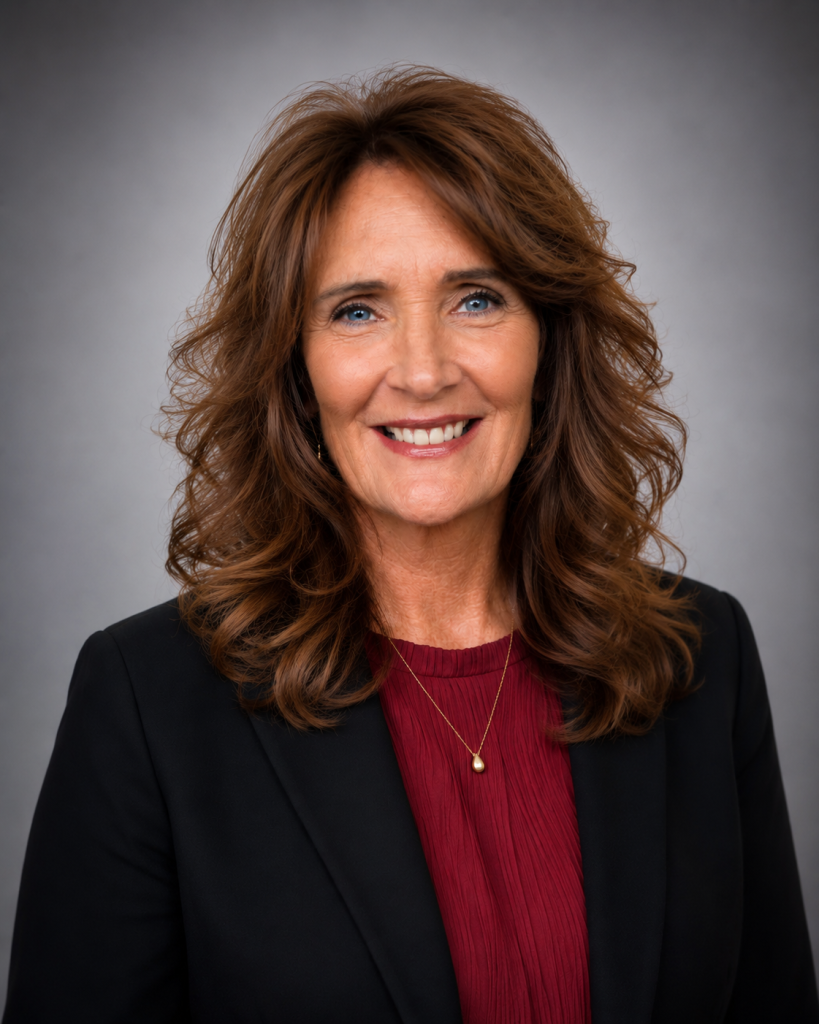
Lisa Reed is Careforth’s Director of Community Partnerships in Indiana. In her nearly six years with Careforth, she has focused on building awareness of Structured Family Caregiving and forming partnerships that help family caregivers and their loved ones get the support and resources they deserve. She brings more than 30 years of experience in healthcare services, business development, and relationship management to that work.
More insights like this:
-
Careforth Earns National NCQA Accreditation for Case Management (LTSS)
Read more: Careforth Earns National NCQA Accreditation for Case Management (LTSS)When families turn to Careforth for support on their caregiving journey, they deserve to know they are receiving the highest quality of care from a trusted partner. That’s why we’re proud to share that Careforth’s Structured Family Caregiving program has earned a three-year accreditation from the National Committee for Quality Assurance (NCQA) for…
-
McKnight’s Home Care Features Article by Careforth Executive Chairman Paul Kusserow and Former Florida Governor Jeb Bush
Read more: McKnight’s Home Care Features Article by Careforth Executive Chairman Paul Kusserow and Former Florida Governor Jeb BushThe American healthcare system is at an inflection point. Careforth Executive Chairman Paul Kusserow and former Florida Governor Jeb Bush co-authored a piece for McKnight’s Home Care explaining why. Drawing on Kusserow’s decades of leading home-based care organizations and Bush’s experience overseeing one of the nation’s largest Medicaid programs, the two make the…
-
63 Million Reasons to Show Up for Family Caregivers
Read more: 63 Million Reasons to Show Up for Family CaregiversBehind every statistic is a story. Behind every number is a person who deserves support. Each day, across living rooms and kitchen tables in every corner of the country, 63 million Americans wake up and are faced with an extraordinary challenge: to care for a loved one. Quite often they do not choose…