
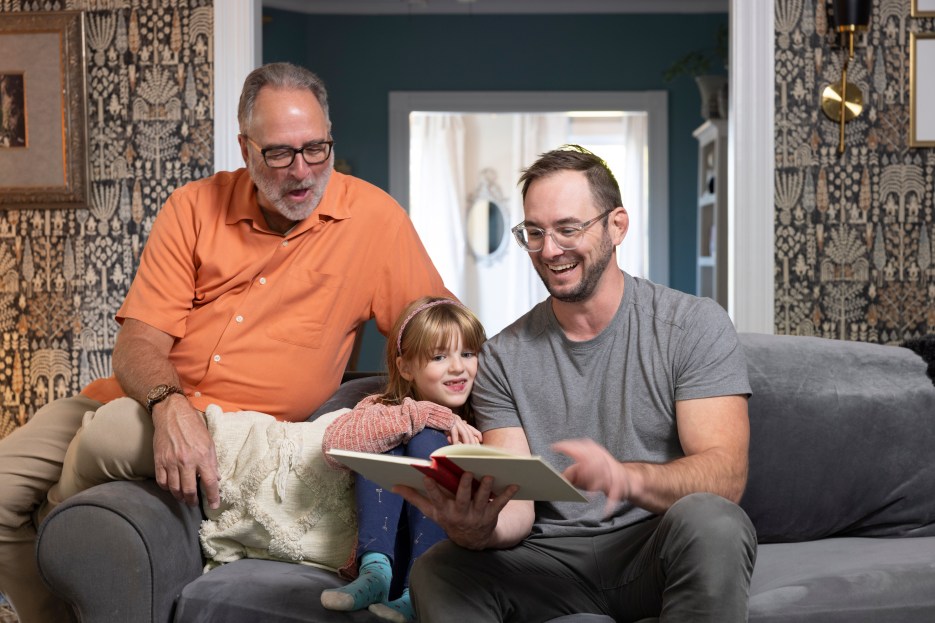
The Sandwich Generation Isn’t a Phase. It’s the New Normal.
It’s 7:15 on a Tuesday morning. You’re signing a permission slip with one hand and reading a message from your dad’s cardiologist with the other. By 9 a.m. you’re at your desk, half-listening to a meeting while mentally reorganizing your mother’s pill sorter. By 9 p.m., after the kids are in bed, you’re on the phone with your sister trying to figure out who’s taking Mom to her next appointment.
If this sounds familiar, you’re far from alone. According to the Caregiving in the US 2025 report from AARP and the National Alliance for Caregiving (NAC), one of the most comprehensive studies of family caregiving in the country, almost one third of the nation’s 63 million family caregivers are now part of the “sandwich generation”—raising children under 18 while caring for an aging adult. Among caregivers under 50, that number climbs to 47%.
For years, the sandwich generation has been treated as a temporary, personal hardship, a rough season of life to push through with the right planner and a little grit. The data tells a different story. This isn’t a phase. It’s a structural shift in how care happens in America, and it’s reshaping families, workplaces, and the health care system all at once.
Sandwich Generation Caregiving Statistics
The scale of this shift is hard to overstate. The family caregiving population has grown 45% since 2015, an increase of nearly 20 million people in a single decade. That growth isn’t evenly distributed: sandwich generation caregiving is especially common among Latino (43%) and Black (36%) caregivers, and it skews younger than the caregiver population as a whole. The familiar image of the family caregiver as a daughter caring for her aging mother no longer tells the whole story. Increasingly, caregiving belongs to Millennials and Gen Z adults juggling toddlers, teenagers, careers, and aging parents all at once.
This caregiving is not light-touch. Nearly one in four caregivers provide 40 or more hours of care per week: a second full-time job, unpaid, layered on top of everything else. One third have been at it for five years or more. And 55% are now handling medical or nursing tasks and activities of daily living, like bathing or dressing, not just errands and moral support.
The Cost Nobody Budgets For
Ask most sandwich generation caregivers what’s hardest, and the answer isn’t usually the tasks themselves; it’s what those tasks quietly take from them.
Financially, the toll is significant and widespread. Nearly half of all caregivers report at least one negative financial impact from caregiving: going into debt, draining short-term savings, or being unable to save at all. One in seven caregivers say they can’t afford basic needs like food. These effects land hardest on younger and lower-income caregivers, who often start their caregiving years with the least financial cushion to absorb the hit.
Work doesn’t escape the squeeze either. Six in 10 family caregivers are employed, and among adult caregivers under 65, that figure rises to 70%. Half of employed caregivers report the arrangement disrupts their jobs in some way—arriving late, leaving early, cutting back hours, or turning down advancement to stay available. Multiply that across 63 million caregivers, and it becomes clear this isn’t a scattering of individual scheduling conflicts. It’s a workforce-wide pattern.
And then there’s personal health. One in five caregivers rate their own health as fair or poor, a caregiver population that is wearing itself down while caring for others. More than 13 million caregivers say they struggle to manage their own health while managing someone else’s.
Why “Just Ask for Help” Isn’t the Answer
Much of the existing advice aimed at sandwich generation caregivers circles back to the same handful of suggestions: delegate more, set boundaries, ask for help, take time for yourself. None of that is wrong, exactly. But it treats an increasingly common structural reality as if it were a personal time-management problem, something an individual can fix with better systems or more willpower.
The data suggests otherwise. When nearly a third of all caregivers are sandwiched between generations, when almost half are taking on debt to make it work, and when the caregiving population has grown by tens of millions in a decade, the story isn’t really about individuals failing to cope. It’s about a support system, workplace policies, health care coordination, and community services that haven’t caught up to how care actually happens now.
That reframe matters, because it changes where solutions should come from.
What Sandwich Generation Caregivers Can Actually Do
None of this is to say individual strategies don’t help—they do. Here are a few things worth prioritizing, based on where the data shows the most strain
- Get the financial picture out in the open early. Since financial strain hits nearly half of all caregivers, a conversation with family, a financial planner, or an elder law attorney, before a crisis forces it, can prevent some of the worst outcomes, like high-interest debt or depleted retirement savings.
- Use workplace caregiving benefits if they exist. More employers offer flexible scheduling, caregiver leave, or referral services now than in past years, but many caregivers don’t know these programs exist or hesitate to use them. It’s worth asking HR directly.
- Loop in siblings and family early. Uneven distribution of caregiving duties among adult siblings is one of the most common sources of burnout and resentment. Remember that everyone can play a role, even if those roles look different. One sibling may be the best person to attend appointments and take notes, another may excel at coordinating service providers or managing paperwork, while someone else provides emotional support through regular check-ins. Define those roles early, and use a shared calendar or simple rotation before things get urgent to head off a lot of friction later.
- Don’t wait for a health crisis to talk to your own doctor. Given how many caregivers report declining health, it’s worth naming caregiving stress at your own checkups.
What Healthcare Leaders Should Take Away
For health systems, payers, and provider organizations, this isn’t just a demographic trend to note; it’s a gap in how care actually gets delivered.
Family caregivers are, functionally, an unpaid extension of the care team. They manage medications, coordinate between specialists, and handle activities of daily living that would otherwise fall to paid staff. Yet few caregivers are ever asked about their own needs by the health systems they interact with on a regular basis. That’s a missed opportunity with real downstream costs: caregiver burnout and health decline don’t stay contained to the caregiver. They show up as missed appointments, medication errors, care recipient hospitalizations, and eventually, caregivers themselves becoming patients.
A few areas worth attention:
- Make caregiver well-being part of routine patient care. Even when the caregiver isn’t the clinician’s patient, a brief check-in about how they’re managing can identify strain that may ultimately affect the patient’s health and safety. Asking a few simple questions and connecting caregivers with appropriate resources can help prevent crises for both the caregiver and the person they support.
- Care coordination tools that reduce caregiver burden directly. Anything that cuts down the logistical load on family caregivers—shared portals, streamlined scheduling, clearer discharge instructions—pays off in fewer errors and less caregiver attrition from the informal care workforce health systems quietly depend on.
Family caregivers are the backbone of long-term care in this country, often without training, pay, or acknowledgment. Progress means treating that backbone as infrastructure to support, not an endless personal resource to lean on.
How Careforth’s Circle of Care Helps
At Careforth, this is exactly the gap we’ve been working to close. Sandwich generation caregivers rarely do this work alone. A sibling handles Tuesday pharmacy runs, a neighbor drives to appointments, and an adult grandchild manages the family group chat. The problem is that this support is usually informal, scattered across texts, phone calls, and someone’s memory, with no shared view of what’s been done, what’s needed, or who is supposed to do it next.
Our Circle of Care feature is built around that reality. It lets a caregiver on service invite the family members and friends who share the caregiving load, including siblings, adult children, close friends, or anyone actively helping, into a single connected space tied to the person receiving care. Instead of one person acting as the sole hub for every update, appointment, and task, the whole circle can see what’s happening and coordinate directly with each other.
That kind of tool doesn’t erase the underlying pressures on the sandwich generation including the financial strain, the health toll, and the sheer hours involved. But it does address one of the report’s clearest findings: caregivers are far more likely to struggle when they’re carrying the coordination burden alone. Giving families a shared, connected way to work together is a concrete step toward treating caregiving support as infrastructure, not something each family has to improvise from scratch.
The Bigger Picture
The sandwich generation was once a name for an unusual situation. It’s becoming a standard one driven by longer lifespans, delayed parenthood, and a care workforce that hasn’t kept pace with demand. Treating it as a temporary inconvenience to be individually managed misses what’s actually happening: a structural gap between how much care families are expected to provide and how much support exists to help them do it.
Closing that gap will take more than better time management. It will take employers, health systems, and policymakers treating family caregiving as what the data shows it already is: a permanent, essential, and currently under-supported part of how care works in America. At Careforth, we see these challenges every day in the families we work with, and it’s why we’re focused on building tools and support systems, like Circle of Care, that meet caregivers where the strain actually shows up, rather than asking them to solve a structural problem on their own.
About the Author:
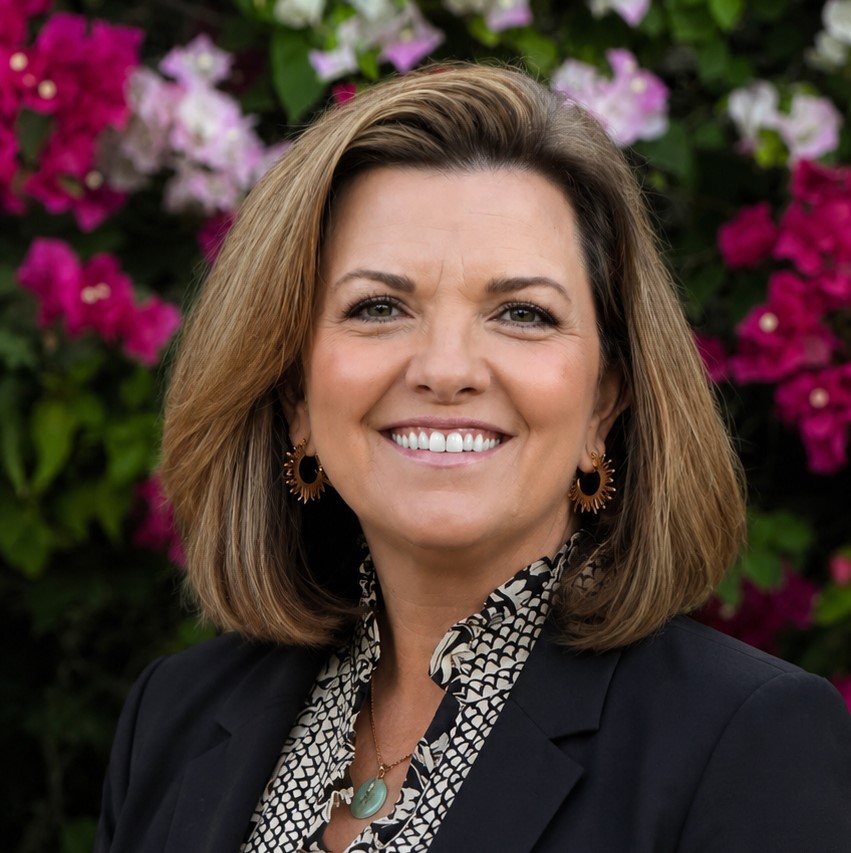
Sarah Fowler is Vice President of Clinical Services at Careforth, where she leads national strategy and operations for teams that support family caregivers across the country. A gerontological nurse practitioner by training, Sarah has spent her career helping older adults and people with disabilities remain safely and independently at home. Before joining Careforth, she held leadership roles at Beth Israel Lahey Health, Harvard Pilgrim Health Care, and Tufts Health Plan, building expertise across clinical care and care management. She is passionate about supporting the millions of Americans caring for aging parents while raising children of their own—a challenge she understands firsthand and one that continues to shape her work.