

What Are Instrumental Activities of Daily Living?
Definition of Instrumental Activities of Daily Living
Instrumental activities of daily living are the skills and abilities needed to perform certain day-to-day tasks associated with an independent lifestyle. These activities are not considered to be essential for basic functioning, but are regarded as important for assessing day-to-day quality of life and relative independence. An evaluation of a person’s ability to manage instrumental activities of daily living is often used as one of several factors to assess whether an individual can safely continue to reside in their own home without outside assistance. There are typically 8 areas of focus for instrumental activities of daily living, including:
- Ability to use the telephone
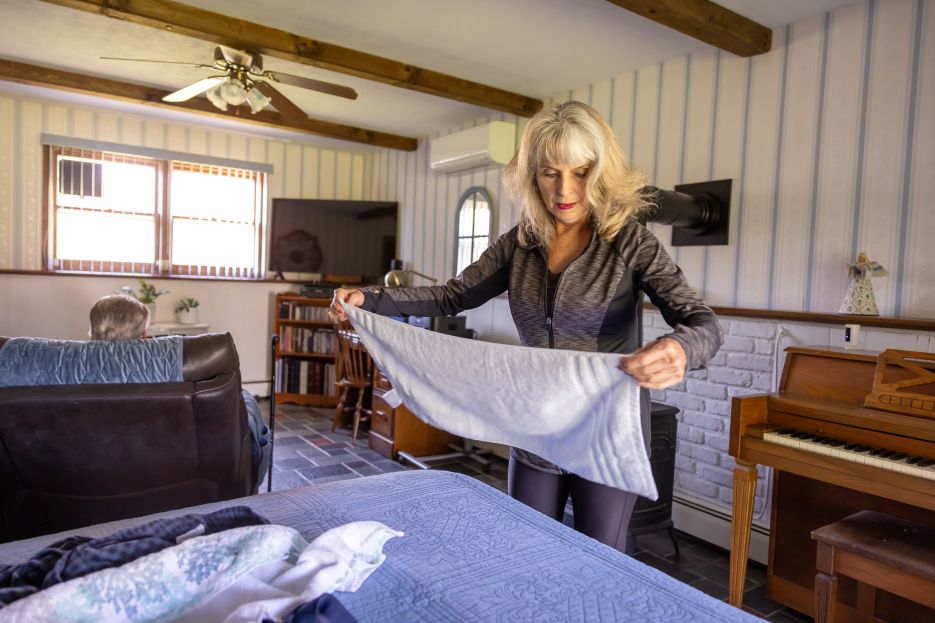
- Laundry and dressing
- Shopping and running errands
- Transportation
- Meal preparation
- Medication management
- Housekeeping activities
- Ability to manage finances
How Instrumental Activities of Daily Living Work
There are several different scales that measure an individual’s ability to perform instrumental activities of daily living, including the Older Americans Resources and Services (OARS) ADL/IADL scale, the Katz ADL scale, the Bristol Activities of Daily Living Scale, and the Lawton IADL scale. These questionnaires are typically used by care provider services, health care professionals, and family members in order to measure and track an individual’s competence with these skills and are often used in assessments to determine whether older adults can safely live at home independently or, alternatively, as a gauge to determine the level of services required in order to enable an older adult or disabled person to continue living in their own home. While such decisions are often emotional and difficult, these assessments allow for objective consideration with regards to decision-making around care and therapies. The lower one’s score, the higher their dependence level, and conversely, a higher score indicates greater independence.
Improving Abilities Related to Instrumental Activities of Daily Living
Supporting your loved one in maintaining their instrumental activities of daily living can allow for them to live independently in their own home for a longer period of time. This can help to increase overall happiness and well-being, and helps to cut down on elder care costs over the long term. There are a number of ways that elders can boost or sustain their abilities surrounding the instrumental activities of daily living. These include:
- Exercise daily: Research shows that seniors can reduce healthcare costs, remain active, and reduce hospital admissions all by being physically active. Even a walk around the block has been shown to be incredibly beneficial in helping seniors to keep their mobility and ultimately their independence.
- Complete puzzles: Research has found that those who complete brain-stimulating puzzles such as crosswords and word searches approximately four times per week can reduce their risk of dementia by up to 47%.
- Focus on nutrition: A healthy diet is key to overall health and longevity for elders. Eating nutrient-dense foods such as seafood and lean meats, green leafy vegetables, and healthy fats from foods such as avocados and olives are all excellent ways to support good health, ultimately helping increase a senior’s independence with daily activities.
- Accept help: This could be as simple as hiring someone to aid in tasks such as running errands or preparing meals. Some seniors benefit from more comprehensive, professional services such as physical or occupational therapy, which can help to maintain or improve skills in a certain area, such as walking or cleaning.
Why Are Instrumental Activities of Daily Living Important?
It is estimated that by 2030 there will be 55 million Americans over the age of 65, or 20% of the total population, with the 85-and-older group growing significantly. Being able to accurately and adequately assess an older adult’s competence with instrumental activities of daily living will be of utmost importance in providing quality and timely care to this rapidly growing sector of the population. A person’s score on an IADL scale is essential in helping to make care decisions and decisions about an elder’s ability to continue living independently. Depending on a person’s score, some sort of assisted-living arrangement or initiation of companion care services may be indicated. IADL scores can also be an important measure of cognitive abilities and as such are an important early screening tool for those with signs of, or a family history of dementia and Alzheimer’s disease.
Instrumental Activities of Daily Living Assistance
There are a number of professionals who can assist older adults in carrying out the instrumental activities of daily living. These professionals include physical therapists, occupational therapists, nurses, companion caregivers, social workers, and personal support workers. The average cost of assistance with instrumental activities of daily living can vary widely depending on the amount and type of assistance required, your location, and the number of caregivers needed. On average, expect to pay somewhere in the range of $15-30 per hour for something like companion care or nursing and around $40+ per hour for occupational or physical therapy services. There are also alternative programs like Caregiver Homes that help family members to assist with IADLs at home through coaching and support. If you have a loved one approaching the senior years, it’s a good idea to monitor their ability to manage instrumental activities of daily living so that you can seek out appropriate services to support your loved one as they age.
More insights like this:
-
Reducing Decision Fatigue for Caregivers
Read more: Reducing Decision Fatigue for CaregiversWhat Is Decision Fatigue in Caregiving? Spring is a busy time, and for family caregivers, it can also introduce a new wave of decisions. Schedules begin to shift. Medical appointments may increase after winter delays. Families start planning for summer travel, childcare, or changes in routine. For caregivers already balancing daily care responsibilities,…
-

Seasonal Caregiving Tips: A Caregiver’s Checklist
Read more: Seasonal Caregiving Tips: A Caregiver’s ChecklistEach season brings new changes in weather, daylight, and daily routines that can affect a loved one’s care. Shorter days may disrupt sleep or increase confusion for those sensitive to changes in light. Shifts in temperature can influence comfort and mobility. Even familiar seasonal activities, such as holiday gatherings or time spent outdoors, may require…
-

Home Safety Hazards Every Caregiver Should Know About
Read more: Home Safety Hazards Every Caregiver Should Know AboutAs adults age, their homes should feel safe, welcoming, and supportive. Yet everyday household features can quietly become risks. Falls, burns, or other preventable injuries are among the most common reasons older adults visit the emergency room. A home that once worked perfectly may now present challenges as mobility, vision, or balance change…