
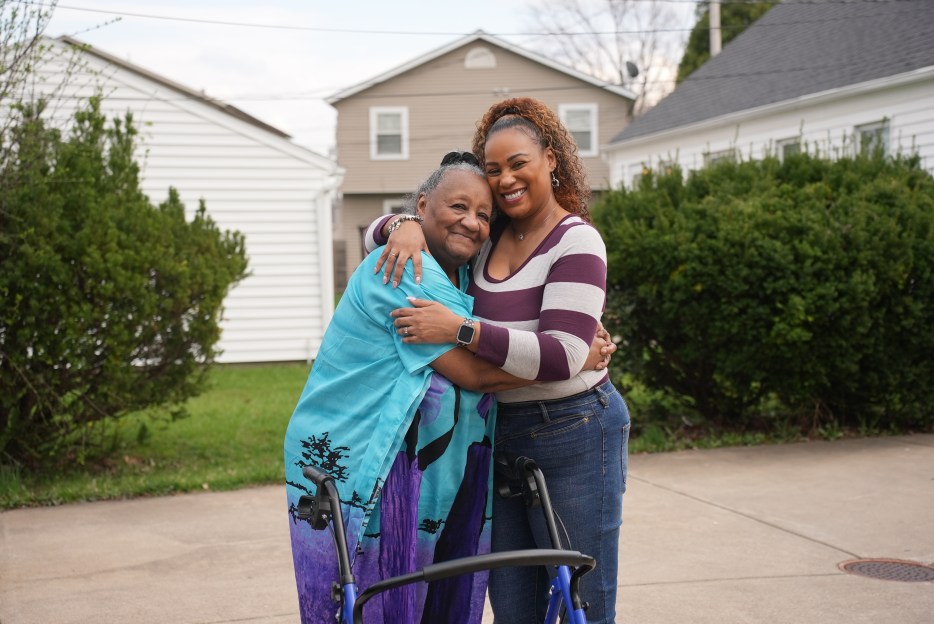
When Care Comes Full Circle: Tamika and Barbara’s Caregiving Story
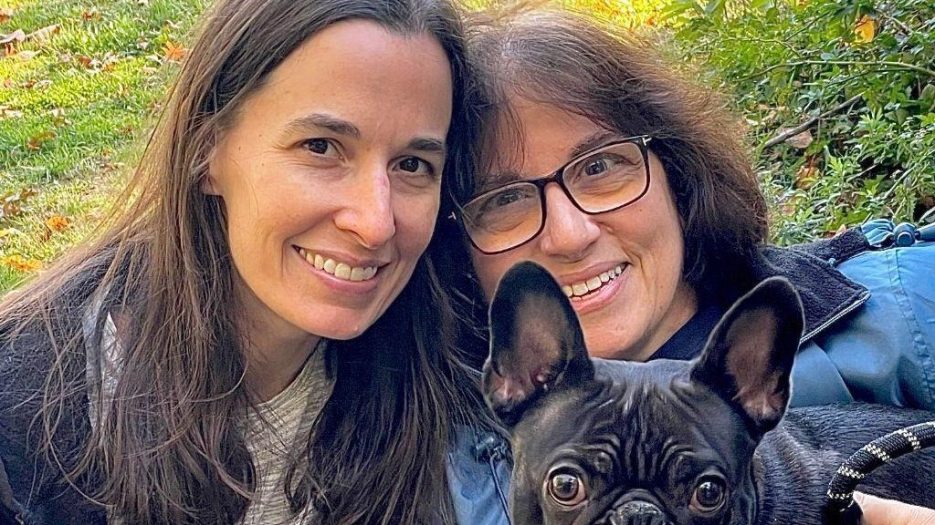
We extend our heartfelt thanks to Tamika and Barbara for welcoming us into their home and being willing to share their experiences. We hope that by sharing their journey, others who find themselves in similar situations can find inspiration, support, and encouragement to build their own networks of care and connection.
Family caregiving often begins quietly—without a clear starting point or a roadmap.
For Tamika, it started with small changes in her mom’s health. Barbara had always been strong-willed, independent, and known for her warmth and humor. She’s the kind of mother who looked after everyone else before herself. But as she entered her 80s, she needed help at home managing increasing health complexities related to her diabetes and mobility challenges.
What followed was a shift many families experience: Tamika’s role expanded from daughter to caregiver.
“I’m her daughter on one end, but I’m also her caregiver,” Tamika said. “That caregiver mode comes in [alongside] the daughter, and we kind of clash.”
Why Care at Home Matters to Families
For Tamika, one decision was always clear: her mom would remain at home.
“I would rather [she] be here where she feels safe versus being in a facility or a nursing home, somewhere where I can’t have eyes on her,” Tamika said.
Caring for her mom at home allows Barbara to stay in a familiar environment, surrounded by family, routines, and comfort. Instead of relying on rotating staff or unfamiliar faces, she can receive care from the people who know her best.
For many families, caregiving at home preserves dignity, trust, and quality of life. It allows Barbara to maintain a sense of independence while still getting the support she needs. And for Tamika, it means being present in a way that feels personal and meaningful.
The Weight of Being a Family Caregiver
Tamika balances a lot. She works, is pursuing her education, and has a family of her own. Adding caregiving into the mix meant stepping into a new role entirely. Tamika now helps her mom stay on top of medication schedules, gets her to appointments, supports her through pain flare-ups, and assists her in safely getting around the house. Alongside the physical responsibilities came the emotional reality of watching a parent who had always been independent struggle with daily tasks like hygiene, medication adherence, and meal preparation.
“Caregiving is so tough,” Tamika said. “I just want to make sure the best is happening for her. I would give up anything for her.”
Like many family caregivers, Tamika found that some of the hardest moments weren’t about logistics—they were about isolation. Caregiving can feel lonely, especially when the responsibility rests heavily on one person’s shoulders. That’s why having support is essential.
Support That Makes a Difference
As her caregiving responsibilities grew, Tamika realized she needed additional support and guidance. When she began exploring more structured support for her mom, she discovered Careforth.
“I probably wouldn’t be able to do what I’m doing for my mom [now],” Tamika said. “It would’ve been hard to step out of where I was, working at a hospital, to get to a place where it’s very flexible for me to be there for her.”
Through Careforth, Tamika found the support she needs to continue caring for her mom at home without feeling like she has to do everything alone. Careforth provides family caregivers with resources, financial assistance, and ongoing guidance designed specifically for people who care for a loved one. For Tamika, that support includes a dedicated RN care manager: Milissa.
“Milissa has honestly been a godsend when it comes to me and my mom,” Tamika said. “She listens real well and she gives you advice. She listens to what you have to say.”
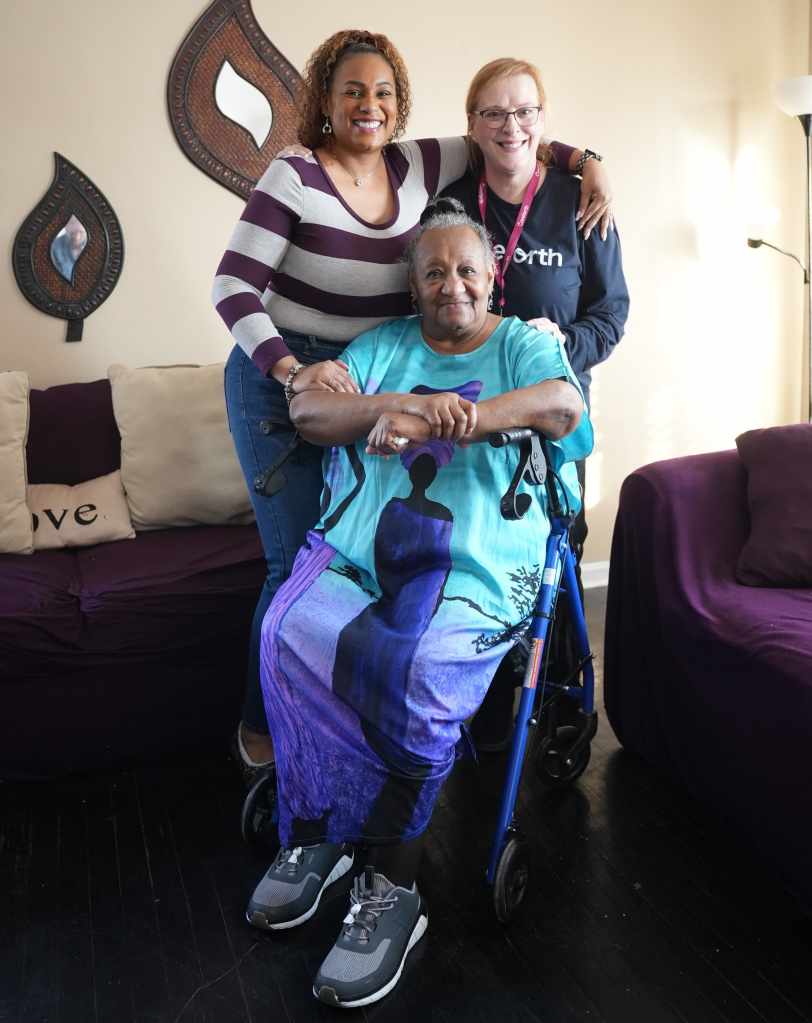
From questions about managing pain to navigating appointments and day-to-day challenges, Milissa is a consistent presence. Sometimes the support is practical. Other times, it’s simply listening.
“[I’m] a listening ear; empathy just goes a long way to know that they’re not alone,” Milissa said.
When Tamika needs reassurance, Milissa is there for her. They have regular check-ins and thoughtful conversations about what is working and what additional help they need. That support makes a difference for both Tamika and Barbara.
“It feels good knowing that they do care about your health,” Barbara said.
Caring for the Caregiver, Too
One of the most overlooked aspects of family caregiving is the caregiver’s own well-being. Many caregivers experience stress, exhaustion, and burnout, making self-care an important part of long-term caregiving.
Tamika has learned the importance of taking small moments for herself, including going for a walk, listening to music, or sitting quietly before starting the next part of her day. These moments help her recharge so she can continue caring for her mom.
“You definitely need to make sure that you take some time for yourself,” Tamika said. “Because if you go down, then who’s going to take care of the person that you’re taking care of?”
Caregiver support plays a critical role in making long-term home care sustainable. With the right guidance and encouragement, family caregivers are better equipped to care for their loved ones and themselves.
A Full-Circle Kind of Care
Barbara still values her independence. Tamika still worries. They still have their moments. But they also share laughter, quiet evenings at home, and the comfort of facing this chapter together. For Tamika, family caregiving is about honoring the woman who raised her.
“This woman took care of me for years. No matter what, I’m going to make sure she’s good until she takes her last breath.”
Whether you are just stepping into caregiving or have been supporting a loved one for years, you do not have to do it alone. At Careforth, we strive to provide the resources and connections that ensure caregivers feel supported throughout their caregiving journey. Visit the Caregiver Support page on our site to learn more about how Careforth supports caregivers, or contact us for more information.
More insights like this:
-
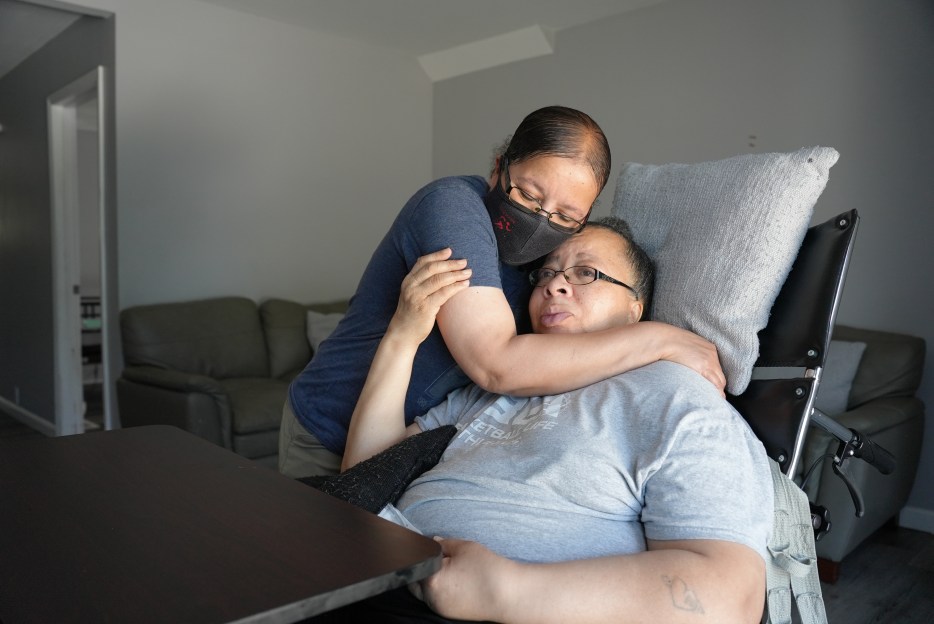
Ellie and Doreen’s Caregiving Story
Read more: Ellie and Doreen’s Caregiving StoryWe extend our heartfelt thanks to Ellie and Doreen for welcoming us into their home and being willing to share their experiences. We hope that by sharing their journey, others who find themselves in similar situations can find inspiration, support, and encouragement to build their own networks of care and connection. “I can’t…
-
Finding Strength in Self-Care: A Letter to the Sandwich Generation
Read more: Finding Strength in Self-Care: A Letter to the Sandwich GenerationThe phrase, “Sandwich Generation” refers to adults who are simultaneously responsible for caring for their own children and their aging parents. As a former caregiver, this phrase described me best. I became a caregiver at 16 years old for my mother after her stroke and continued in that role for most of my…
-
To the Caregiver Who Feels Invisible: You’re Not Alone
Read more: To the Caregiver Who Feels Invisible: You’re Not AloneHello, fellow caregivers: We have not met, but I am sure I know a few things about you. For example, there are mornings when you open your eyes and your first thought is that you cannot carry on with your routine for one more day. When will your needs come first? You envy friends who can…