
7 Signs You Need Respite Care as a Family Caregiver
Many family caregivers keep going until they feel completely drained. The days are busy, and it can feel easier to push through than to stop and ask for support. But waiting until you are overwhelmed often makes caregiving harder for both you and the person you care for.
Recognizing the signs that you may need a break is not a sign of failure. It is a sign that you are paying attention to your own well-being and thinking about how to continue providing good care for your loved one long-term. If several of the signs below sound familiar, it may be time to consider additional support such as respite care.
In This Article:
- Why Caregivers Often Wait Too Long to Ask for Help
- 7 Signs You May Need Respite Care
- How Respite Care Supports Family Caregivers
- What to Do If You Recognize These Signs
- How Careforth Helps Family Caregivers
- Frequently Asked Questions
Why Caregivers Often Wait Too Long to Ask for Help
If you are a family caregiver, you might feel a deep sense of responsibility for the person you support. You may believe you should be able to handle everything on your own or worry that accepting help means you are somehow falling short. Feelings of guilt or obligation can make it difficult to step back and acknowledge when support is needed.
Unfortunately, waiting until you are completely exhausted can make caregiving even more challenging. Caregiving is a marathon, not a sprint. Asking for help early is a proactive decision that can help you continue to show up for your loved one.
7 Signs You May Need Respite Care
You’re Constantly Feeling Exhausted
Everyone feels tired from time to time, especially when juggling multiple responsibilities. However, exhaustion that doesn’t improve with a good night’s sleep may be a sign that caregiving demands are getting harder to manage alone. You may feel physically drained, struggle to stay focused, or find yourself running on autopilot throughout the day. If you feel like you’re constantly trying to catch up on rest but never quite get there, it may be time to consider additional support so you can recharge and maintain your energy.
Your Own Health Is Taking a Back Seat
Have you postponed a doctor’s appointment recently? Maybe you’re skipping exercise or relying on convenience foods because there simply isn’t enough time in the day? If so, you’re not alone. Many caregivers often find themselves prioritizing their loved one’s health above their own.
These choices have a big picture impact on your well-being. Taking care of yourself is an important part of being able to care for someone else. If your own health needs consistently fall to the bottom of the list, additional support could help create more balance.
You’re Feeling Overwhelmed by Daily Responsibilities
For some, caregiving is just one part of a larger list of responsibilities. Caregivers in the Sandwich Generation know this well. They may be juggling work, raising children, maintaining the household, coordinating appointments, and keeping up with everyday tasks. When everything starts competing for your attention at once, it can feel impossible to stay on top of it all. If you’re frequently feeling behind or struggling to manage priorities, it may be a sign that your workload has become unsustainable.
You’re Becoming More Irritable or Impatient
The emotional demands of caregiving exist, even when you deeply love the person you’re caring for. When stress builds over time, you may notice yourself becoming more frustrated, impatient, or emotionally reactive than usual.
These feelings do not mean you’re a bad caregiver. They often signal that you’ve been carrying a heavy load for a long time without enough opportunities to rest and reset. Recognizing changes in your mood can help you identify when it may be time to seek support before stress begins affecting your relationships or overall well-being.
You Rarely Have Time for Yourself
Caregivers who reach burnout may begin to pull back and stop participating in activities they once enjoyed. Hobbies, exercise routines, social events, and even simple moments of relaxation can disappear as caregiving responsibilities take center stage. Over time, it may feel like your entire identity revolves around caregiving. Finding little moments for yourself isn’t selfish—it’s a key part of maintaining your well-being. If you can’t remember the last time you did something just because you enjoyed it, that may be a sign respite care could help.
Family or Friends Have Expressed Concern
Sometimes the people around us notice changes before we do. Family members, friends, coworkers, or neighbors may comment that you seem stressed or overwhelmed. It can be easy to dismiss these observations, especially if you’re focused on getting through each day. However, trusted loved ones can provide perspective we don’t always have. If others have expressed concern, it may be worth taking a closer look at whether your caregiving responsibilities have become too much to handle alone.
You Need Time Away but Have No One to Step In
Life doesn’t stop because you’re a caregiver. You may need to attend your own medical appointments, manage personal obligations, or simply handle unexpected emergencies. Yet many caregivers have limited options to do so because there is no backup plan in place.
Feeling trapped or unable to leave, even temporarily, can create significant stress. Respite care can provide peace of mind and flexibility when life requires your attention elsewhere. If you’ve been putting off important commitments because you have no one to step in, it may be time to explore your options.
How Respite Care Supports Family Caregivers
If these signs sound familiar, you’re not alone. Many caregivers reach a point where they need temporary support to help keep the balance. Respite allows for a designated backup caregiver to step in for a few hours or days. This person may be a trusted family member, a friend, or a professional caregiver. Taking occasional breaks can create opportunities to focus on personal health, family responsibilities, or simply rest and recharge.
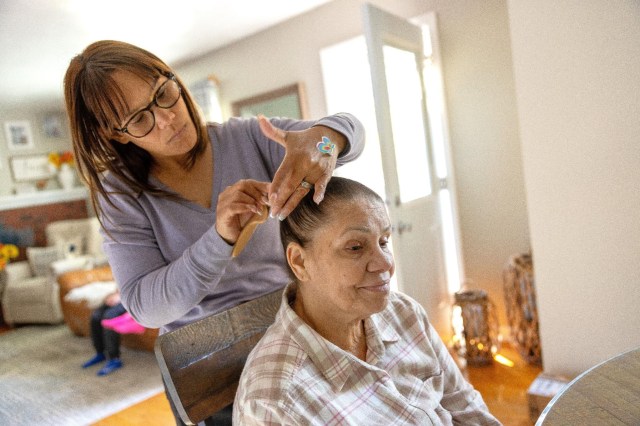
Meriam is a caregiver on our service who cares for her mother, Ruth. She can take time for herself thanks to the backup support of her sister. “We are a team. It’s all about developing a team. They know I care for my mom with love, and they care for me. They give me some time for me so I can relax,” Meriam said.
What to Do If You Recognize These Signs
Are you seeing some of these signs in yourself or someone you care about? Take it one step at a time:
- Start by Accepting Help. If someone offers help with errands, meal preparation, or transportation, consider taking them up on it.
- Build a Caregiving Support Plan. Think about future caregiving needs, community resources, or loved ones that may be able to assist when needed. Having a plan in place makes it easier when unexpected situations come up.
- Explore Local Respite Care Options. Even if you don’t need support immediately, this can make future planning and decision-making easier.
- Don’t Wait for a Crisis. Pay attention to early warning signs so you can make thoughtful choices before your stress level peaks.
How Careforth Helps Family Caregivers
At Careforth, we strive to provide the resources and connections that ensure caregivers feel supported during their caregiving journey. Visit the Caregiver Support page on our site to learn more about how Careforth can help, or contact us for more information.
Frequently Asked Questions About Respite Care
More insights like this:
-

Why Caregivers Need Respite Care and How to Take Advantage
Read more: Why Caregivers Need Respite Care and How to Take AdvantageIn This Article: What is Respite Care?How Do You Pay for Respite Care?Benefits of Respite Care Over 54 million people provide unpaid care for an aging or disabled loved one. For many primary caregivers, the physical, emotional, and financial toll of this work can lead to caregiver fatigue and caregiver burnout. It’s important for caregivers to practice self-care, but…
-
Alzheimer’s caregivers need more support and respite
Read more: Alzheimer’s caregivers need more support and respiteAlzheimer’s caregivers need more support and respite. Seniorlink’s Susan Gregg, Senior Director of Operations, published an opinion piece in The Columbus Dispatch that raises awareness for the 600,000+ family caregivers in Ohio who care for a loved one diagnosed with Alzheimer’s. June is Alzheimer’s and Brain Awareness Month, and with today being The Longest Day, (a nationwide fundraising campaign…