
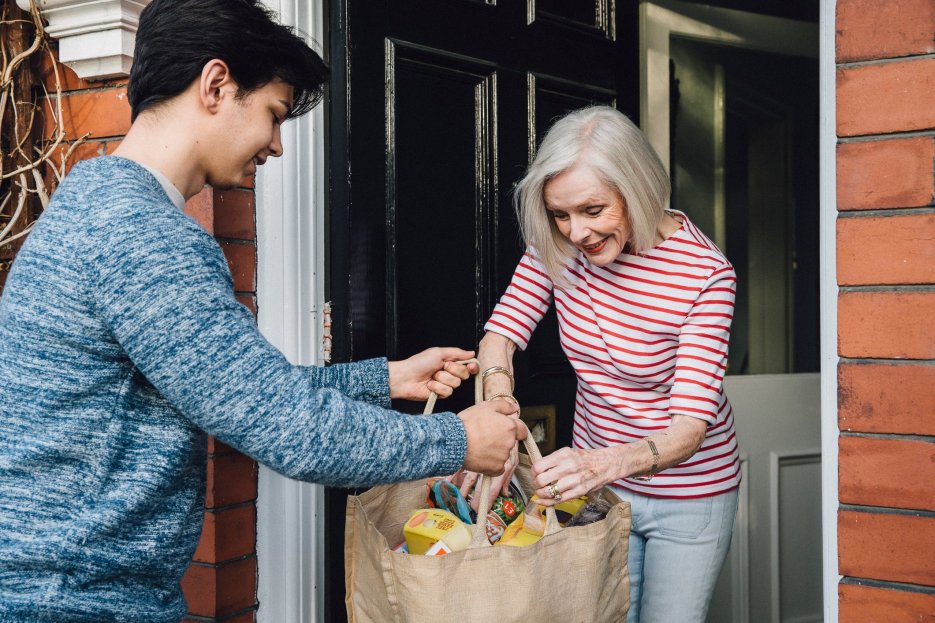
Senior Food Services: Community-Based Meals, Delivery Meal Plans and More
You know that a healthy diet is essential for well-being, especially for the aging population – however, caregivers may not always have the finances, time, or physical ability to cook or drop off meals for your aging loved one. If you’re worried your loved one isn’t getting a regular healthy home cooked meal, a meal delivery service could be an option to ensure their nutritional needs are being met.
Finding Food Services for Seniors
When it comes to finding a local food service for you or your elderly loved one, there are several options available. First, check your postal code to see if you have a local Meals on Wheels program. They offer free meals in a communal setting – if leaving the house is an option for your loved one – or will deliver a hot meal to their home. You can also check in with your local community center or church group to see if they offer some sort of meal service for elderly community members. Another resource is your local Area Agency on Aging. They can help connect seniors with local nonprofits offering meal delivery and other food services – many of which are often free or low-cost.
Why Use a Meal Delivery Service for Seniors?
A meal delivery service for your elderly loved one can be an excellent choice for a number of reasons, including:
- Ensuring nutrition
- Providing tasty meal options
- Catering for specific dietary needs
- Time management
- Safety, if cooking for themselves is no longer an option
- Providing social companionship
- Affordability (although costs vary)
Benefits of Food Services for Seniors
The most obvious benefit of food services for the elderly is the fact that the person is receiving a fresh, nutritious, and often hot meal at least once a day. Often, if an elderly person is housebound or in poor health, it can be a challenge to get out to the grocery store and/or cook on a regular basis. A meal delivery service can help relieve this burden. There is also a high population of older adults who face food insecurity on a regular basis – more than 4 million by some estimates. The National Foundation to End Senior Hunger estimates that approximately 1 in 7 seniors are affected by hunger at some point, with the American Academy of Family Physicians estimating that there are nearly 4 million malnourished seniors in the U.S. today. Ensuring every person has at least one healthy meal a day can help combat food insecurity and the associated health issues. Another benefit of food services for the elderly are that they offer some level of social interaction. Community meal programs provide the most opportunities for regular social interaction, allowing your loved one to enjoy meals in the company of others.
Choosing a Food Service
When it comes to choosing a food service for yourself or your elderly loved one, there are several things to keep in mind, including:
- Budget. This will often determine what types of programs you’ll access.
- Any dietary needs. Special requirements often cannot be accommodated with free community drop-in type programs.
- Physical needs. Can your loved one still chew and swallow without difficulty, or would they require pureed foods?
- Health. Are they able to get out of the house or are they homebound? Can they cook safely without supervision?
Qualifying for Food Services for Seniors
Qualification criteria and guidelines for food services for the elderly vary from state to state and program to program. Generally speaking, for subsidized or government-funded programs, proof of income is required. Your local Area Agency on Aging can help connect you with local food service programs – many of which are often free or low-cost – and can explain the qualifying criteria and even sometimes help with applications. Other meal services are paid exclusively out-of-pocket; therefore, anyone with the ability to pay can receive them. If your loved one doesn’t qualify for free or reduced-cost community-based services, these options are worth considering
More insights like this:
-

How Caregivers Can Create a Safe and Comfortable Home for Aging Loved Ones
Read more: How Caregivers Can Create a Safe and Comfortable Home for Aging Loved OnesFor family caregivers, the home is more than just a living space. It’s where comfort, care, and safety come together. Yet many homes are not naturally designed to support the needs of older adults or those with health challenges. Creating a safe and welcoming environment takes intention, planning, and an eye for the…
-
Balancing Back-to-School Routines While Caring for Aging Parents: 5 Practical Tips for the Sandwich Generation
Read more: Balancing Back-to-School Routines While Caring for Aging Parents: 5 Practical Tips for the Sandwich GenerationAs summer comes to a close and back-to-school season ramps up, family caregivers in the Sandwich Generation—those juggling the responsibilities of raising children while also caring for aging parents—find themselves facing a unique set of challenges. It’s a busy time filled with transitions, paperwork, and new routines. The stress and pressure can feel…
-

Helping an Aging Loved One Through Declining Mental Health
Read more: Helping an Aging Loved One Through Declining Mental HealthMental health challenges can impact anyone at any time of life. However, older adults tend to be more vulnerable to depression and other mental illnesses, on average, with 14% of adults aged 60 or older suffering from a mental disorder. “If you recognize or hear from a loved one that their day-to-day life is significantly…