

How to Help a Loved One with Disabilities Transition to Adult Life
 Many parents caring for a child with a disability ask us, “What happens when my child turns 22?” The President’s Commission on Excellence in Special Education reported: “Students with disabilities are significantly unemployed and underemployed upon leaving school compared to their peers who do not have disabilities. Too many students with disabilities leave school without successfully earning any type of diploma, and they attend post-secondary programs at rates lower than their nondisabled peers. Adults with disabilities are much less likely to be employed than adults without disabilities. Unemployment rates for working-age adults with disabilities have hovered at the 70 percent level for at least the past 12 years, which the Commission finds to be wholly unacceptable.”
What can the caregiver do?
Work with your child’s school system to start transition planning as early as age 14. Transition planning should take place as part of your child’s IEP (Individual Education Plan). Transition planning includes a coordinated set of activities for a child with a disability that is designed to be within a results-oriented process that is focused on improving the academic and functional achievement of the child with a disability.
What can you expect for your loved one?
Many parents caring for a child with a disability ask us, “What happens when my child turns 22?” The President’s Commission on Excellence in Special Education reported: “Students with disabilities are significantly unemployed and underemployed upon leaving school compared to their peers who do not have disabilities. Too many students with disabilities leave school without successfully earning any type of diploma, and they attend post-secondary programs at rates lower than their nondisabled peers. Adults with disabilities are much less likely to be employed than adults without disabilities. Unemployment rates for working-age adults with disabilities have hovered at the 70 percent level for at least the past 12 years, which the Commission finds to be wholly unacceptable.”
What can the caregiver do?
Work with your child’s school system to start transition planning as early as age 14. Transition planning should take place as part of your child’s IEP (Individual Education Plan). Transition planning includes a coordinated set of activities for a child with a disability that is designed to be within a results-oriented process that is focused on improving the academic and functional achievement of the child with a disability.
What can you expect for your loved one?
- Being present and participating in community life.
- Gaining and maintaining satisfying relationships.
- Expressing preferences and making choices in everyday life.
- Having opportunities to fulfill respected roles and to live with dignity.
- Continuing to develop personal competencies.
- Help facilitate the child’s movement from school to post-school activities, including post-secondary education, integrated employment (including supported employment), continuing and adult education, adult services, and independent living.
- Coordinate with the school system and adult services.
- Provide on-going support, monthly education, and resources.
- Mapping out My Life
- The Inclusive Concurrent Enrollment Initiative Video
- National Secondary Transition Technical Assistance Center
- CEC SmartBrief
More insights like this:
-
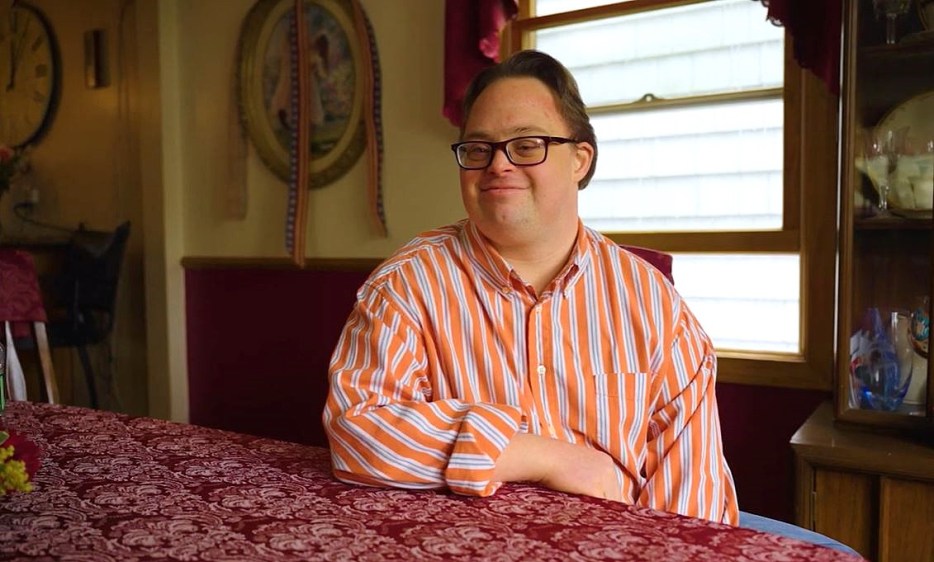
National Disability Independence Day: Independence Looks Different for Everyone
Read more: National Disability Independence Day: Independence Looks Different for EveryoneJuly 26 is National Disability Independence Day. It marks the anniversary of the Americans with Disabilities Act, a law that made one idea official: people with disabilities have the right to live, work, and take part in their communities without discrimination. But independence isn’t one big thing. It’s a lot of small choices…
-
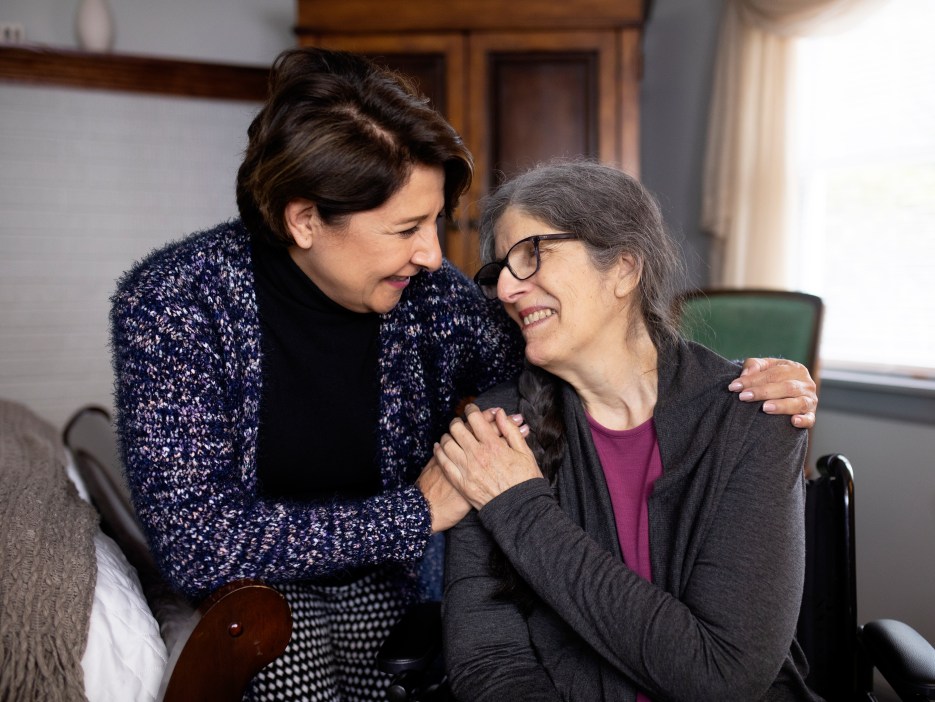
Get Caregiver Support through the Connecticut Department of Aging and Disability Services
Read more: Get Caregiver Support through the Connecticut Department of Aging and Disability ServicesThey depend on you—for compassion, for empathy, for everyday needs. You pour so much of yourself into caring for your loved one, but when it comes time to balance that with your own well-being, it’s easy to push your health and needs to the backburner. If your loved one is a Connecticut resident,…
-
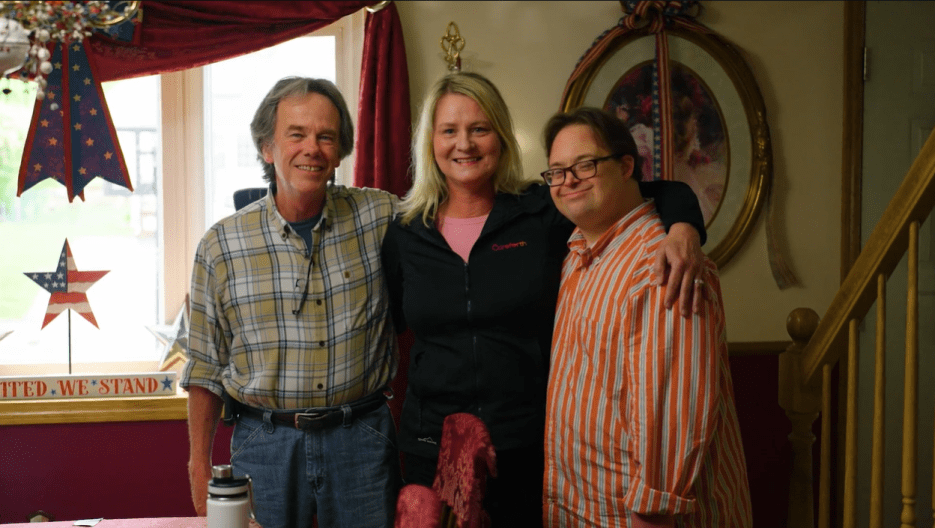
Caregiving Spotlight: Caring for “Dangerous” Dan with Down Syndrome
Read more: Caregiving Spotlight: Caring for “Dangerous” Dan with Down SyndromeWe extend our heartfelt thanks to Dan, Kerry, Bruce, Madison, Lindsay, and Jessica for their openness and willingness to share their experiences. We hope that by sharing their journey, others who find themselves in similar situations can find inspiration, support, and encouragement to build their own networks of care and connection. Meet Dan,…