

Just Diagnosed? Here’s Where to Start
For families who’ve just received a diagnosis for an aging parent, spouse, or a child, the first few days can be overwhelming and disorienting. Take a breath and allow yourself time to process the news before rushing into an action plan.
Why Everything Feels So Heavy Right Now
Part of it is how much comes at you at once. You’re trying to follow medical terms you’ve never heard while still getting dinner on the table, answering work emails, and taking calls from relatives who want updates.
You’ll learn the routine and the vocabulary, just like a new job. Nothing is familiar, so even finding the break room takes effort. Over time you learn your way around, and this works much the same way.
The good news? You don’t need a plan yet. Very few people have one this early. It helps to know where to start, and that you can take this one piece at a time.
Where to Start: 6 Steps After a New Diagnosis
-
Give Yourself a Little Time
Unless the care team tells you something is urgent, most big decisions can wait a few days. Take some time to process the information. Let the news settle before you start making calls.
-
Ask the Care Team the Right Questions
Jot your questions down on paper or on your phone before the next appointment. Some to start with:
- What does this diagnosis mean for daily life?
- What should we keep an eye on at home?
- What happens next, and when do we come back?
- Who do we call with questions between visits?
- Is there anything we can take home to read?
If an answer doesn’t click, ask them to say it another way and bring a second person along when you can, so two people hear the same answers.
-
Get Organized
Start a binder or a shared online folder for everything related to your loved one’s care, and make sure at least one other person knows where to find it. Good things to include:
- Insurance cards
- A current medication list
- Doctor names and phone numbers
- Recent test results
-
Check on the Legal Documents
This doesn’t have to happen this week, but it’s worth doing soon. Find out whether your loved one already has these in place, and add copies to the folder:
- Power of attorney: lets someone handle financial and legal matters on their behalf
- Health care proxy: names who can make medical decisions if they can’t
- Advance directive (or living will): records their wishes for medical care
If they don’t have these yet, or you’re not sure, an elder law attorney or the hospital social worker can walk you through it. Requirements vary by state, and these documents generally need to be signed while the person can still make their own decisions, which is why it helps to raise the topic sooner rather than later.
-
Take Care of Yourself
Don’t forget to look after your own needs. Eat well, drink lots of water, and get plenty of rest. Join a support group and look into respite care options if necessary.
-
Build Your Support Circle Early (Family, Friends, Professional Support)
Lean on other family members or friends. Most people want to help but don’t know how, so a specific ask usually goes further than “let me know if you need anything.” Spreading things out now can keep one person from taking it all on and trying to do it alone.
Need a little extra support?
Careforth works alongside family caregivers caring for a loved one at home. That means a care team that listens, practical ideas, and connection to local resources that can help you avoid burnout. Careforth offers caregiver support in states nationwide through Medicaid and health plans. Visit the Caregiver Support page on our site or contact us to learn more.
Frequently Asked Questions
Start by giving yourself a few days to take in the news. Unless the care team says something is urgent, most big decisions can wait. Then write down your questions for the next appointment, gather important papers in one place, and think about who in your life can help.
What questions should I ask the doctor after a new diagnosis?
Ask what the diagnosis means for daily life, what to watch for at home, what happens next, and who to call with questions between visits. It also helps to ask for anything you can take home to read. Bring a second person when you can so two people hear the answers.
What documents should family caregivers keep after a diagnosis?
Keep insurance cards, a current medication list, doctor names and phone numbers, and recent test results together. If your loved one has a power of attorney or an advance directive, add copies of those too. A binder or a shared online folder works well, as long as at least one other person knows where it is.
Is it normal not to have a care plan right after a diagnosis?
Yes. Very few families have a plan in the first days after a diagnosis. There is a lot of new information to take in at once. It’s okay to start with small steps, like writing down questions and gathering papers, and build the plan as you learn more.
How do I ask family and friends for help with caregiving?
Be specific. Most people want to help but don’t know how, so a clear ask works better than “let me know if you need anything.” Ask one person to handle insurance calls, another to pick up groceries, or someone to drive to appointments. Sharing tasks early can keep one person from doing it all.
How can family caregivers avoid burnout?
Look after your own needs, too. Try to eat well, drink water, and get rest. A caregiver support group can help you feel less alone, and respite care can give you time to recharge. Building a support circle early also makes it easier to share the load.
Careforth works alongside family caregivers who are caring for a loved one at home, with a care team that listens, practical guidance, and connection to local resources. Careforth offers caregiver support through Medicaid and health plans. Visit careforth.com/caregiver-support or call 866.797.2333 to learn more.
More insights like this:
-
The Future of Care at Home Is Already Here
Read more: The Future of Care at Home Is Already HereEvery November, we take time to recognize the millions of family caregivers who show up every day for someone they love. But as I think about National Family Caregivers Month this year, I keep coming back to something bigger. Family caregivers aren’t just part of the story of care at home. They are…
-
Faces of Careforth: Brittany Nali
Read more: Faces of Careforth: Brittany NaliCase Management Week is about more than acknowledging those who coordinate care. These professionals build trust, listen closely, and are there when families need someone in their corner. For Careforth Care Manager Brittany Nali, that means getting to know the families she supports, understanding what matters most to them, and providing the guidance,…
-
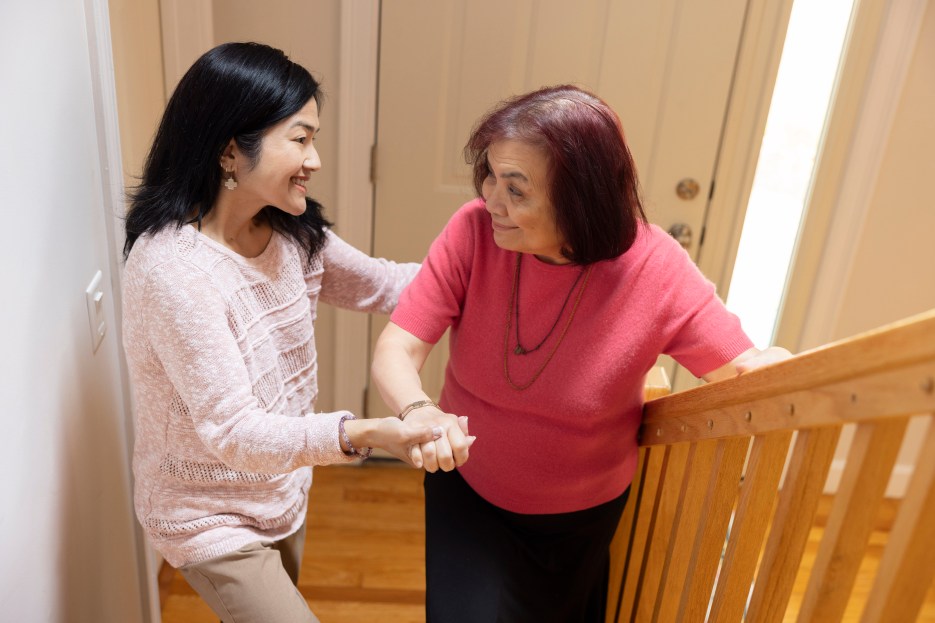
Become a Caregiver in Ohio
Read more: Become a Caregiver in OhioCaring for a loved one at home can be one of the most meaningful things you do, but it can also feel overwhelming at times. Between the emotional weight of caregiving and the financial pressure it can bring, many families are left trying to navigate a system that feels big, complex, and hard…