
Caring for My Sister with Angelman Syndrome: Our Journey

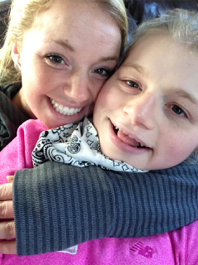
Brogan with her sister, Paige
You never forget the day your parents tell you that your sister has been diagnosed with Angelman Syndrome. As a three-year-old girl, you have absolutely no idea that this moment will change your entire life. Forever. You have no idea that this means your sister will spend weeks on end in the hospital, or that her condition will require her to eat through a tube for the next ten years. You have no idea that this means your sister will have dozens of seizures a day, or that her condition will leave her unable to ever speak. You have no idea that this means you will eventually become her caregiver, her voice, her advocate, her biggest supporter and best friend. I watched my parents selflessly give everything they had to provide the four of us with the most incredible life they could. Yet, life with Paige was never easy. Without realizing it, I began helping care for Paige immediately. It was innate. It was in my blood. By the time I was fifteen I had become my sister’s caregiver even though looking back, I realize that this had already become my role long before. In order to truly understand Paige, it is important to realize that she is unaware of the disabilities she faces. She is the happiest soul I have ever known. Although Paige cannot speak, she finds a way to say what she feels. She loves those around her unconditionally. Her laughter has a remarkable and unique ability of bringing joy to any bad day. Paige is our very own angel on Earth.
A Day in the Life of Caring for Paige with Angelman Syndrome
A normal day caring for Paige in the summer would begin around 7:30 am. I would hear her kicking the wall and her laughter from down the hall. I would prepare all of her necessities ahead of time; her clothes, her brush, her deodorant, even the toothpaste on her toothbrush. The second I walked in that room, it was go time. Paige is stronger than she appears so getting her dressed is no small feat. After she attacked me with hugs and ripped my hair out because she liked when it was down, we would walk into the bathroom and I would attempt to sit her on the toilet. Most days this worked fine. Other days were much harder and sometimes led to a cracked toilet and water flooding the bathroom floor. Once Paige was dressed, it was time for cereal. Lots of cereal. I was always thankful that she loved cereal so much because this was the only time she was distracted enough to let me brush her hair. By 8:30 am, only one hour into our day, I already felt like I had worked out enough for the week. Was this role as my sister’s caretaker difficult? Yes. Was I ever so frustrated that I cried? Yes. Did I worry that Paige was bored despite the fact our days were full of activity? Always. Today, Paige is twenty-two years old and lives in adult residential housing. The transition from a structured school program to adult services, was a challenge for Paige and for my family. As a twenty-five-year-old with a baby of my own, I worry everyday about the care my sister is receiving and can only hope that she receives the same quality of care that I gave her. Carrying a worry so heavy is challenging. Throughout our journey together, we have created an unimaginable bond that could never be broken. There is an unspoken love and respect between us. Paige has taught me more about life than I could ever imagine, and for this I am thankful. I am who I am because I have cared for my sister.
Finding the right programs, services and support for children and young adults with disabilities can be a challenge to navigate. Your state’s department of disability services or your local independent living center is typically a good place to start, and we have included links to some additional resources that have helped Brogan and Paige’s family, and many families supported by Careforth.
Helpful Links: https://www.ndss.org/ https://specialneedsanswers.com/questions-and-answers
More insights like this:
-
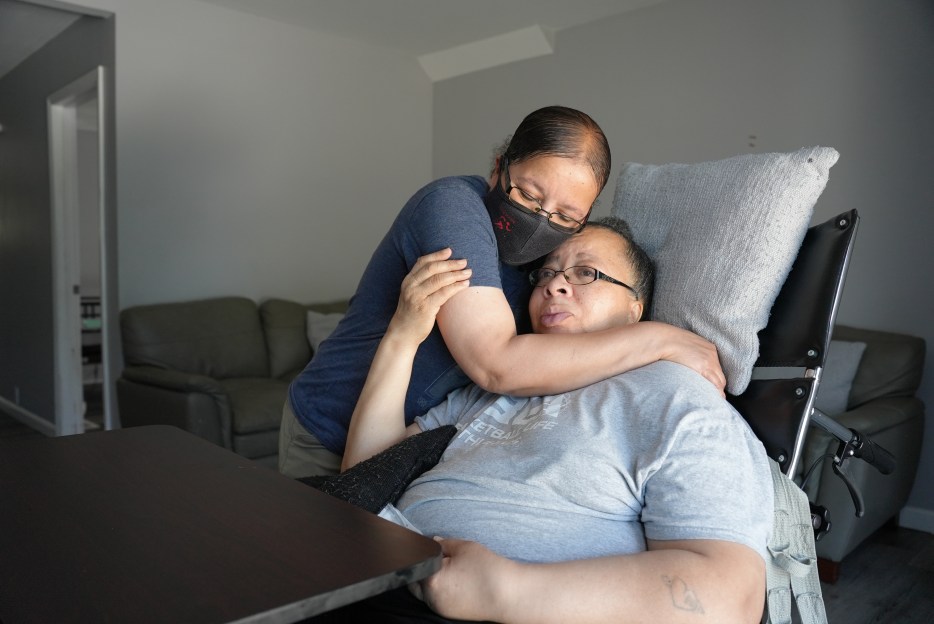
Ellie and Doreen’s Caregiving Story
Read more: Ellie and Doreen’s Caregiving StoryWe extend our heartfelt thanks to Ellie and Doreen for welcoming us into their home and being willing to share their experiences. We hope that by sharing their journey, others who find themselves in similar situations can find inspiration, support, and encouragement to build their own networks of care and connection. “I can’t…
-
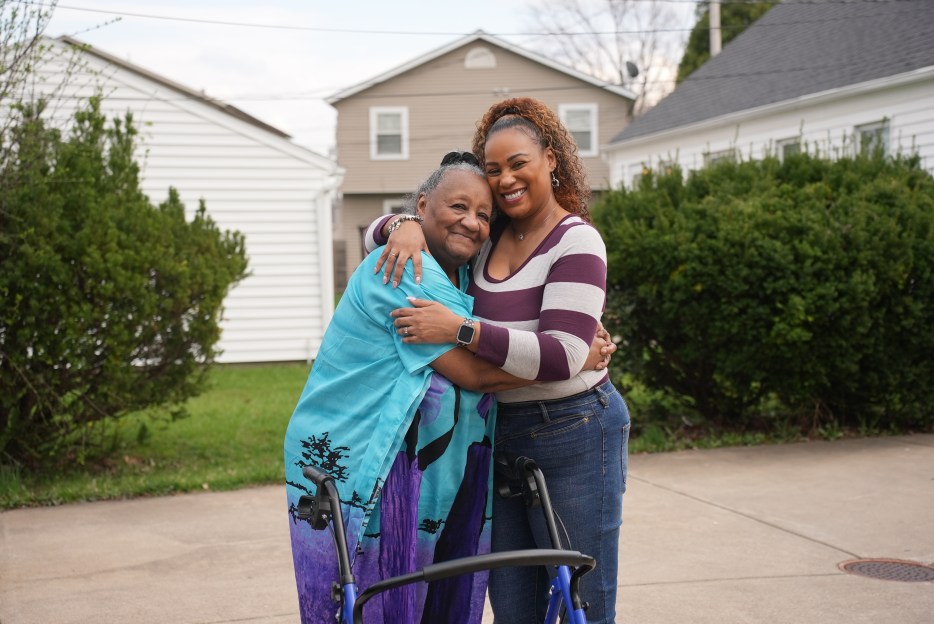
When Care Comes Full Circle: Tamika and Barbara’s Caregiving Story
Read more: When Care Comes Full Circle: Tamika and Barbara’s Caregiving StoryWe extend our heartfelt thanks to Tamika and Barbara for welcoming us into their home and being willing to share their experiences. We hope that by sharing their journey, others who find themselves in similar situations can find inspiration, support, and encouragement to build their own networks of care and connection. Family caregiving…
-
Finding Strength in Self-Care: A Letter to the Sandwich Generation
Read more: Finding Strength in Self-Care: A Letter to the Sandwich GenerationThe phrase, “Sandwich Generation” refers to adults who are simultaneously responsible for caring for their own children and their aging parents. As a former caregiver, this phrase described me best. I became a caregiver at 16 years old for my mother after her stroke and continued in that role for most of my…