
Caregiver Guides


Explore more topics on our blog

  • A vibrant red juice made from beets and apples

    Does Your Loved One Suffer from Gastroparesis? Here’s What They Should be Eating

    Gastroparesis, also known as “delayed gastric emptying,” is a condition in which the contents of a person’s stomach empty too slowly, resulting in bloating, pressure, and other symptoms that make it difficult to eat. Gastroparesis may also prevent the body from absorbing enough vitamins and nutrients. There are many medical conditions that may cause or…


    Read more: Does Your Loved One Suffer from Gastroparesis? Here’s What They Should be Eating
  • A picture of an emergency sign outside of a hospital

    Understanding Strokes: How to Recognize Warning Signs of a TIA and Take Action

    A transient ischemic attack (TIA) is a type of stroke. It is sometimes referred to as a “mini-stroke,” because it can cause stroke-like symptoms. Some TIAs last only a few minutes. Some TIAs last up to a few hours. Generally, when a person experiences a TIA, their stroke symptoms diminish or disappear after a period of time.   Strokes are usually one of two types: hemorrhagic or ischemic.   TIAs are considered a type…

    Read more: Understanding Strokes: How to Recognize Warning Signs of a TIA and Take Action
  • Caregiver attentively taking their patient's blood pressure

    The Dangers of Hypertension: How to Recognize and Respond to a High Blood Pressure Emergency

    “Blood pressure” is the medical term for the amount of force exerted by circulating blood against the walls of arteries. It’s normal for blood pressure to rise and fall throughout the day, but for people with hypertension, blood pressure remains consistently high, increasing the risk of serious medical issues. According to the CDC, 108…

    Read more: The Dangers of Hypertension: How to Recognize and Respond to a High Blood Pressure Emergency
  • Loving father embraces his autistic son from behind, showcasing compassion and support in caregiving

    6 Great Games and Toys for People with Autism Spectrum Disorder

    If you’re caring for a child or adult with Autism Spectrum Disorder (ASD), it’s likely you’ve watched them deal with some level of hyper- or hypo-sensitivity to their surroundings. ASD affects sensory processing so that sounds, touch sensations, and other stimuli feel either too overwhelming or too muted to ground them in their environment. This can…

    Read more: 6 Great Games and Toys for People with Autism Spectrum Disorder
  • A man is writing in a notebook to aid in the recovery process from traumatic brain injury

    6 Strategies to Care for Someone with a Traumatic Brain Injury

    Approximately 3.5 million people in the U.S. are living with a disability due to Traumatic Brain Injury (TBI). According to the American Association of Neurological Surgeons, falls are the leading cause (35%), followed by motor vehicle-related injuries (17%), and blows to the head that occur during sports or other activities (17%). This is to say…

    Read more: 6 Strategies to Care for Someone with a Traumatic Brain Injury
  • Orange cancer ribbon

    4 Types of Multiple Sclerosis: Differences and Common Symptoms

    Multiple Sclerosis (MS) is a chronic degenerative disease affecting nearly 1 million people in the U.S. It occurs when the immune system attacks and damages the central nervous system, leaving behind scar tissue in the form of lesions. This is where MS gets its name: “sclerosis” means “scarring.” Depending on where lesions occur—the spinal cord, the…

    Read more: 4 Types of Multiple Sclerosis: Differences and Common Symptoms
  • A caregiver filling out legal paperwork

    Healthcare Proxy: What it is, Why it Matters, and What it Should Include

    When caring for a loved one, advanced planning is key. This holds especially true when medical needs become complex to the point where the person you care for is incapable of taking care of him or herself. A healthcare proxy is the legal document designed for situations where a person becomes incapacitated due…

    Read more: Healthcare Proxy: What it is, Why it Matters, and What it Should Include
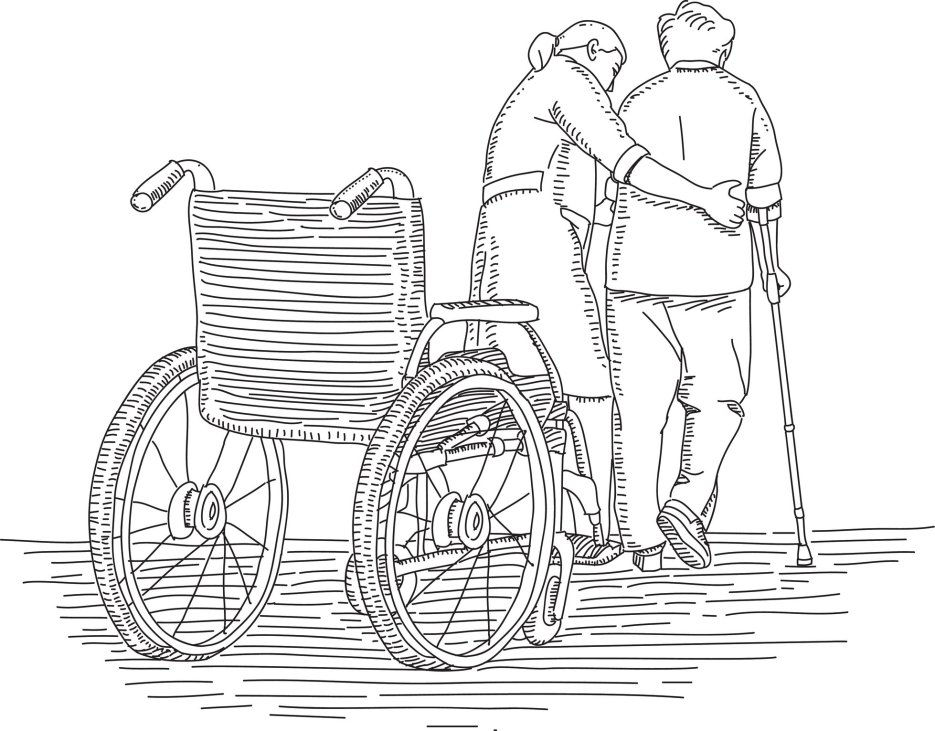
  • An illustration of a caregiver helping their wheelchair-bound loved one take a walk with the assistance of a crutch

    32 tips for caring with a depressed parent

    According to the Centers for Disease Control and Prevention (CDC), 80% of older adults have one or more chronic health conditions, and 50% of older adults are dealing with at least two chronic health conditions. Because depression is more common among people who have other illnesses or are experiencing limited function, older adults are especially…

    Read more: 32 tips for caring with a depressed parent

Stay in touch with us.

Sign up for company news and ongoing caregiver resources delivered right to you.

You can unsubscribe anytime. Privacy Policy